Look for steady nerves, then check the screening
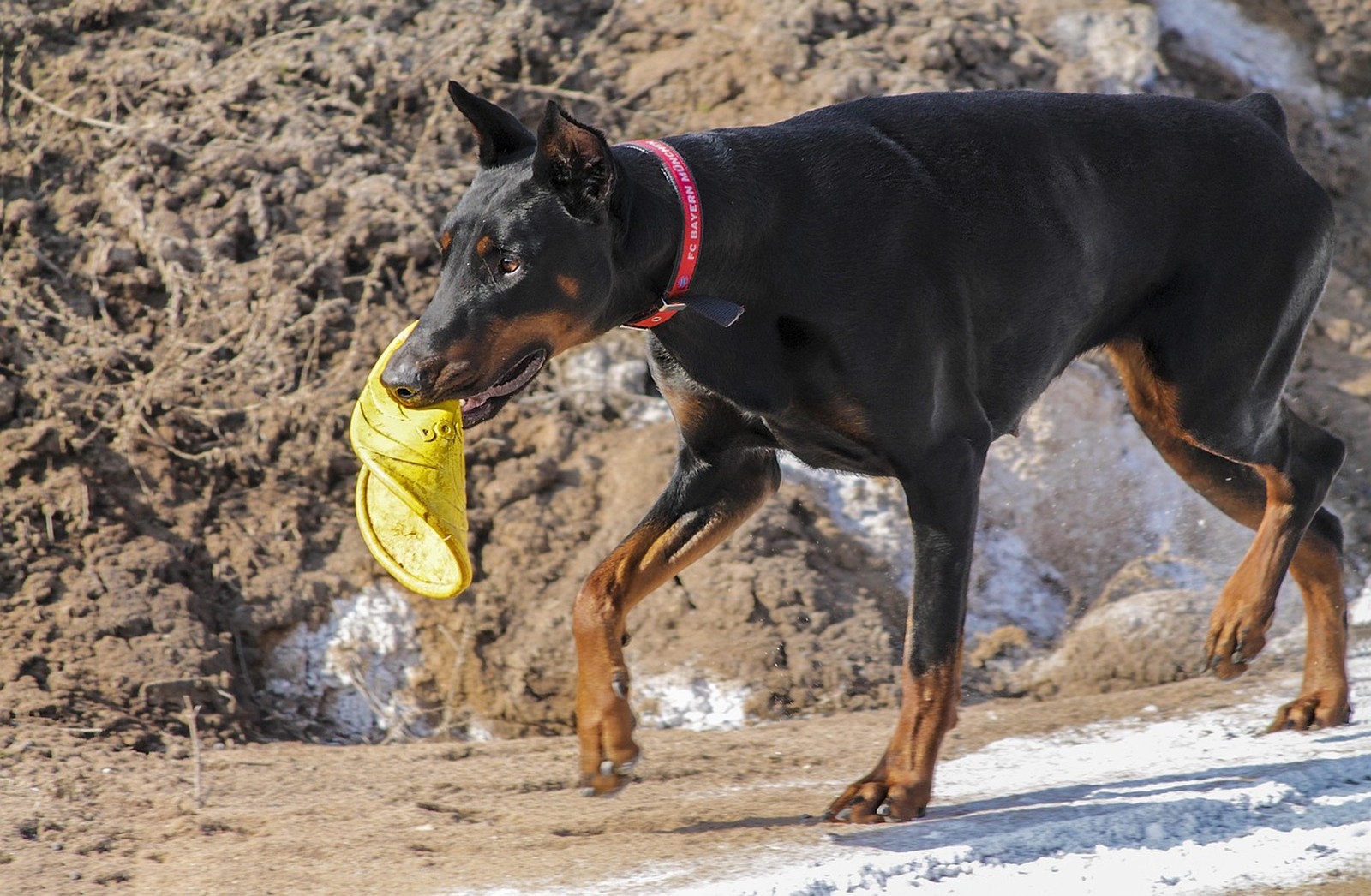
Start with the Doberman breed club's breeder referral and rescues that specialise in the breed, and spend your visit watching adult dogs. The Doberman you want to live with is alert and self-assured, friendly on introduction, and able to settle in the house. A breeder whose adults greet you calmly, work happily in training, and relax at their owner's feet is demonstrating the temperament their puppies are most likely to inherit.
Then ask for health results. Heart screening is a central conversation in Dobermans, along with other checks a careful breeder arranges for their lines, and you should be shown current paperwork for both parents plus honest information about the health and lifespan of relatives. A breeder who tracks their dogs into old age, wants to hear how yours is doing years later, and breeds from mature, fully screened parents is showing the long-term commitment this breed needs from its breeders.
Ask how the puppies are being prepared for life
Doberman puppies grow quickly into strong adolescents with quick minds, so ask what the breeder does before you ever meet your puppy: handling by different people, introductions to household and outdoor sounds, car journeys, visitors, and the beginnings of lead and crate familiarity. A sensitive breed raised in a stimulating home environment starts life far better equipped than one raised in isolation at the end of a kennel block.
Expect the breeder to interview you in return. They should ask about your experience with large guarding breeds, your training plans, fencing, work hours, and how the dog will be exercised and mentally occupied. Dobermans attach deeply to their people and deteriorate when left alone and unoccupied for long stretches, so a breeder who explores your daily routine in detail, and sometimes suggests waiting or choosing a different breed, is guarding their puppies' futures properly.
Dobermans in rescue
Doberman rescues commonly take in powerful young dogs surrendered during the demanding adolescent stage, dogs whose owners underestimated the exercise and training involved, and loyal older dogs bereaved by an owner's death. Adopting an adult Doberman means the size, energy, and devotion are already on display, and a foster carer can tell you how the dog actually lives: lead manners, behaviour with visitors, and whether they relax with other dogs or prefer to be an only dog.
Ask for the full vet file, including any heart checks already performed, and the rescue's behavioural assessment in writing. Be candid about your household, especially children, visitors, and other pets, because a strong, protective dog placed with accurate information thrives, while the same dog placed on hope alone may be returned. A specialist rescue's careful matching, home checks, and follow-up are features to welcome, not hurdles to resent.
Red flags in a Doberman search
Walk away from breeders selling size, extreme bulk, or an intimidating image, from anyone reluctant to show heart screening, and from litters bred from young, unproven parents with no work, sport, or temperament record. Also treat guaranteed guarding ability in a family puppy as a warning sign: stable Dobermans are discerning and confident, and reputable breeders select for exactly that steadiness.
Ask directly about the breeder's policies on cosmetic procedures and aftercare support, and listen for considered, welfare-led answers.
Carry the training and heart record forward
Take home the parents' screening results, your dog's vet and vaccination file, microchip details, training cues already learned, and notes on exercise, social preferences, and what helps this dog settle. For a rescue Doberman, the behavioural assessment and foster routine are as important as the medical file. On KinsLe, Transferrable Profiles keep that heart screening, training history, and behavioural knowledge together with your Doberman's profile, so your vet and trainer build on what is already known.