
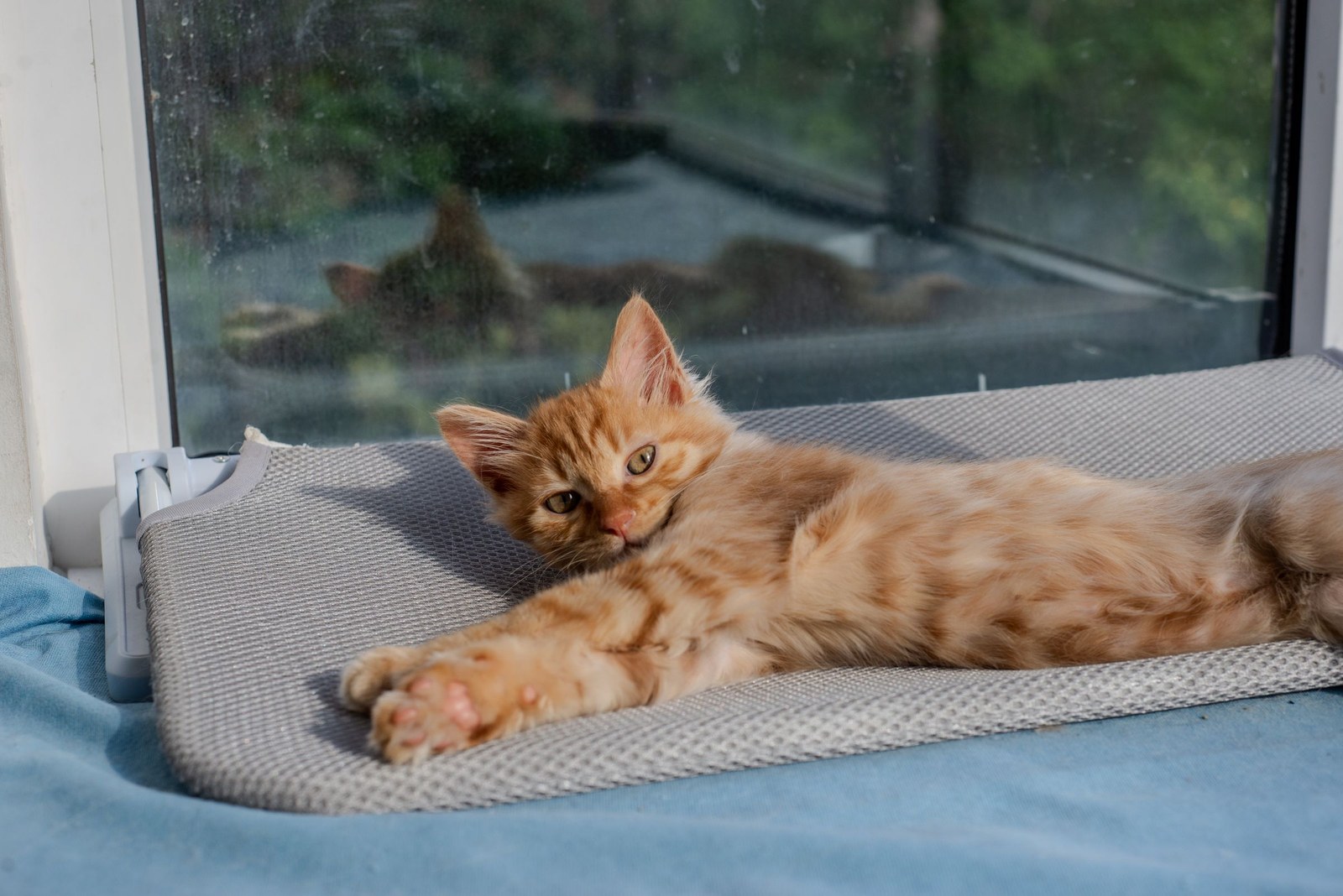
A safe, comfy window perch comes down to four things: a sturdy platform rated for your cat's weight, mounted exactly as the manufacturer instructs, a secure window screen, and every cord and hazard cleared from the area. Get those right and you will give your cat a front-row seat she can use for years without a wobble, a fall, or a scare.
Choose the right perch for your cat
Start with honest numbers: weigh your cat, then pick a perch rated comfortably above that weight — especially important for big breeds like Maine Coons, who can top 15 pounds. Styles include suction-cup hammocks, sill-mounted shelves with brackets, and freestanding cat trees placed against the window. Suction-cup models are renter-friendly but demand clean glass and intact cups; bracketed shelves hold more weight and suit heavy or multi-cat households. Measure your sill depth and window width before ordering, and check that the perch will not block the window from opening if you rely on it for ventilation.
Mount it like you mean it
Follow the instructions to the letter — this is not the project for improvising. For suction cups, clean the glass with rubbing alcohol, warm the cups if directed, press firmly, and let them set for the recommended hours before the first use. For screwed-in brackets, find solid material to anchor into and use every provided fixing. Then test it yourself: press down hard with both hands, wiggle it side to side, and hang your own weight on it briefly if the design allows. A perch should feel boringly solid. Recheck suction cups monthly; heat and cold slowly weaken them.
Make it genuinely comfortable
Add a washable cushion or fleece pad — washable matters, because the perch will collect fur, dust, and the occasional hairball. If your cat is older or arthritic, position the perch at a height she can reach with one easy hop, or add a step stool or ramp beside it. Face the perch so she gets sun for part of the day but can shift into shade; cats love warmth, yet a spot that bakes all afternoon will be abandoned by noon.
Safety-proof the window zone
- Screens: push firmly on the screen from inside. Many decorative screens pop out under a leaning cat's weight. If the window opens, fit a sturdy pet-resistant screen or keep it closed.
- Cords: tie blind and curtain cords up high, use cord cleats, or switch to cordless blinds. Loose loops are a genuine strangulation hazard for cats.
- Glass and gaps: check that she cannot slip behind the perch or get a paw trapped between platform and wall.
When to bring in a pro
If wall-mounting makes you nervous, the perch is going high, or you are planning a full cat-friendly setup — shelving runs, a catio, reinforced screens — a handyperson or cat-savvy tradesperson is money well spent. You can find local groomers, vets, sitters, and trainers through KinsLe's Pet Services Directory, and local pet professionals there can often point you to help with cat-friendly home setups too. A firmly mounted perch from day one beats a rescue from a fallen one. From the Pet Services Directory on KinsLe, a local cat-savvy professional can advise on a high perch installation or arrange hands-on help with anchors and brackets.