
A Moderate Shopping Bill, a Major Activity Bill
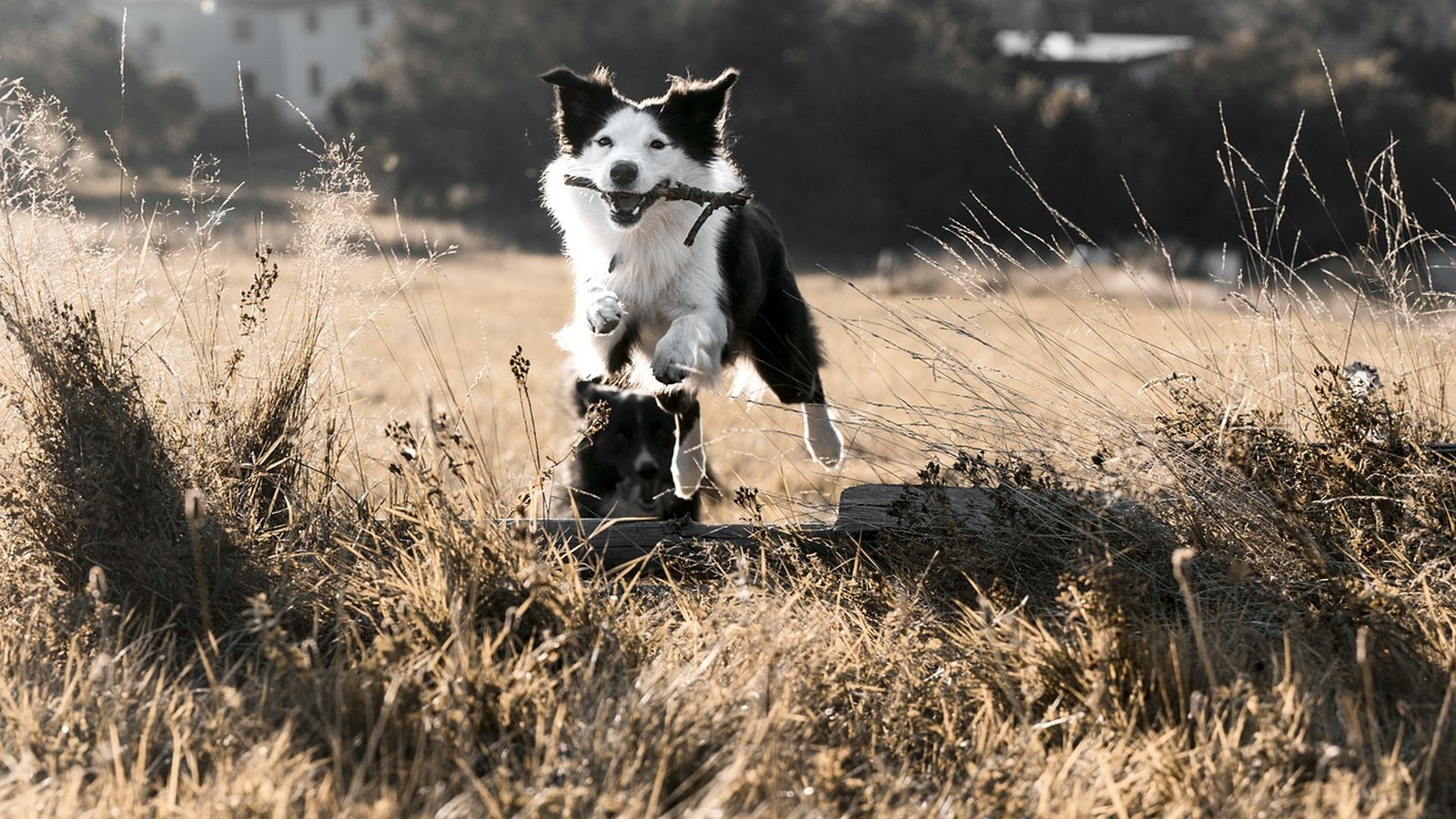
On paper, a Border Collie looks affordable. The breed is medium sized, eats a working but not enormous amount, has a weatherproof coat that needs no salon, and is often physically sound. The monthly surprise is not the food bag. It is the cost of occupying a dog bred to work all day, read a shepherd's whistle at distance, and problem-solve faster than most owners can set problems.
A Collie that is under-exercised and under-challenged does not save you money. It spends its energy on digging, chasing, shadow-herding children and cars, redecorating, and developing intense habits that later need a behaviourist. The activity spend is the dog's real running cost.
Where the Activity Money Goes
Most Collie households pay for at least one structured outlet. Agility, flyball, obedience, scent work, and herding lessons all involve club fees, class costs, travel, and equipment that wear out. Puzzle feeders and tough toys are consumables with this breed, because a standard toy that occupies another dog for an evening may be solved or dismantled in minutes.
Weekday cover is the other common line. A Collie cannot be left to stare at walls while everyone works, so many owners pay for a walker who will actually run or train the dog, or for day care with space to move. A short lead walk around the block does not count as exercise in Collie terms, and paying for the wrong kind of cover is money wasted rather than money saved.
Food, Coat, and Health Costs
Feeding a working Collie is straightforward but should match output. A dog in hard training burns far more than a pet Collie on two walks, and body condition should guide portions month to month. The coat needs a weekly brush, more during shedding, and a check for ticks and burrs after rural work, so grooming costs stay low unless you choose to outsource baths.
Health spending is usually steady rather than heavy. The breed has known issues worth discussing with a vet, including eye conditions and hip problems in some lines, and the intense working style produces the usual sprains, split pads, and broken nails. A dog that chases at full speed should see a vet promptly for limping that does not settle within a day, a sudden yelp during exercise, or any collapse in heat, because Collies famously work through pain until they cannot.
The Household System Behind the Budget
The cheapest Collie is the one whose whole household shares the job. One person doing every run, class, and training session burns out, then pays for emergency cover. Families that split morning exercise, evening training, weekend sport, and rest-day enrichment keep both the dog and the budget stable, and they notice sooner when one part of the routine slips.
That shared structure is also your early-warning system. If the dog is suddenly destructive, the question is usually which duty quietly stopped happening, not what new thing to buy.
Priced honestly, a Border Collie is a mid-range dog in cash and a top-range dog in organised effort, and KinsLe's Care Teams turns that rota into named assignments with a timestamp on each finished job, so gaps show up before the dog announces them.