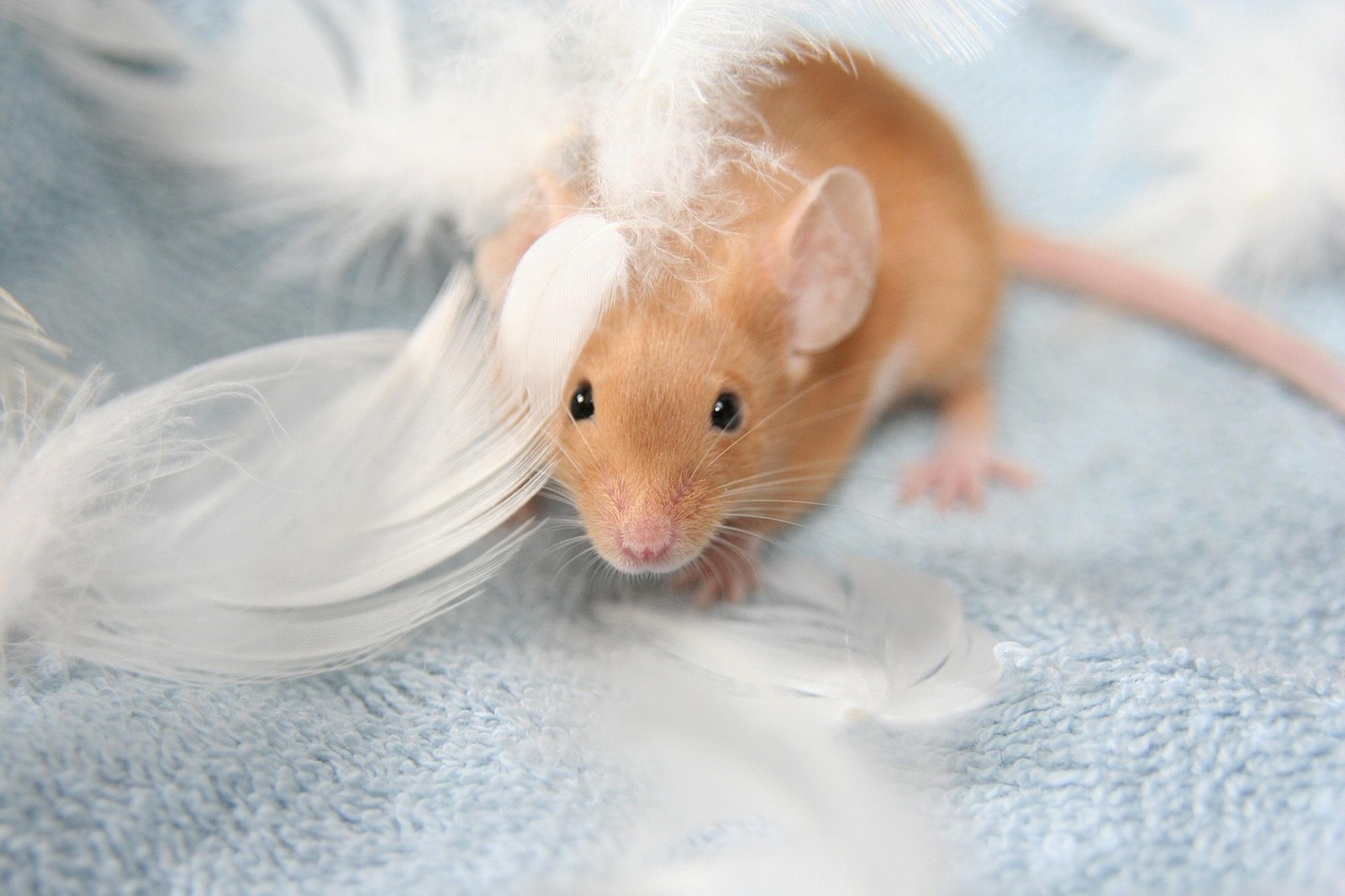
A pet mouse typically costs about $15 to $35 a month to keep properly, after the enclosure and wheel are bought. Mice themselves are inexpensive, which misleads many buyers: the mouse eats very little, but it lives on bedding that must be replaced constantly, and that, not food, is where the monthly money goes.
Food: the smallest line in the budget
A mouse eats roughly a tablespoon of food a day. A bag of lab blocks or a good seed-and-pellet mix typically costs $8 to $14 and lasts a single mouse two to three months, which works out to about $5 a month. Fresh additions — a pea, a small piece of broccoli, a few oats — come from normal kitchen shopping and add almost nothing.
Resist spending more on gourmet treats. Mice given free choice pick out the fatty seeds and leave the balanced pieces, so a simple staple diet plus tiny fresh extras is both cheaper and healthier than a shelf of snack mixes. Budget $5 to $10 a month for food in total and you will rarely overspend.
Bedding: the real monthly cost
Mice urinate frequently and their enclosures develop an ammonia smell quickly, so a full bedding change is needed about once a week, with spot cleaning between. Paper-based or aspen bedding bought in a reasonably sized bale typically costs $8 to $15 a month for one enclosure. Buying the smallest bag at a time pushes that figure up; buying a large bale and storing it dry brings it down.
Nesting material is part of the same line. Plain unscented paper bedding the mice can shred and carry is what they need — a handful at each change — rather than separate fluffy nesting products, which add cost without adding comfort.
Toys, hides, and the chewing tax
Mice chew constantly, and that is a feature to budget for, not fight. Cardboard tubes and plain boxes are free and should form most of the supply. Wooden chews, a replacement hide, or a new tunnel typically add $2 to $5 a month averaged out. A solid-surface exercise wheel is a one-off purchase, but check it monthly: a wheel that has been chewed or warped needs replacing, and that occasional $10 to $20 lands in some months and not others.
Vet care: small animal, real bills
Mice are prone to respiratory infections, skin mites, and tumours, especially after their first year. An exotic or small-mammal vet visit costs much the same as a cat visit, which surprises owners of a pet that cost a few dollars. Saving $3 to $5 a month builds a fund that covers a routine check or the first part of treatment, and it means a wheezing or scratching mouse gets seen promptly instead of being watched while it worsens.
Note that female mice should not live alone, and most owners keep two or three together. A pair shares the same bedding changes and barely eats more, so a group usually costs only a few dollars a month more than a single mouse — one reason the $15 to $35 range holds for most homes.
Adding it up
A typical month looks like $6 for food, $12 for bedding, $3 for chews and hides, and $4 saved toward vet care: about $25. Lean months with a full bedding bale already in the cupboard come in near $15, and months with a wheel replacement or vet visit run higher. Logging each weekly clean in KinsLe's Care Teams shows your household exactly how many changes a bale covers, which turns next month's bedding budget from a guess into a number you already know.