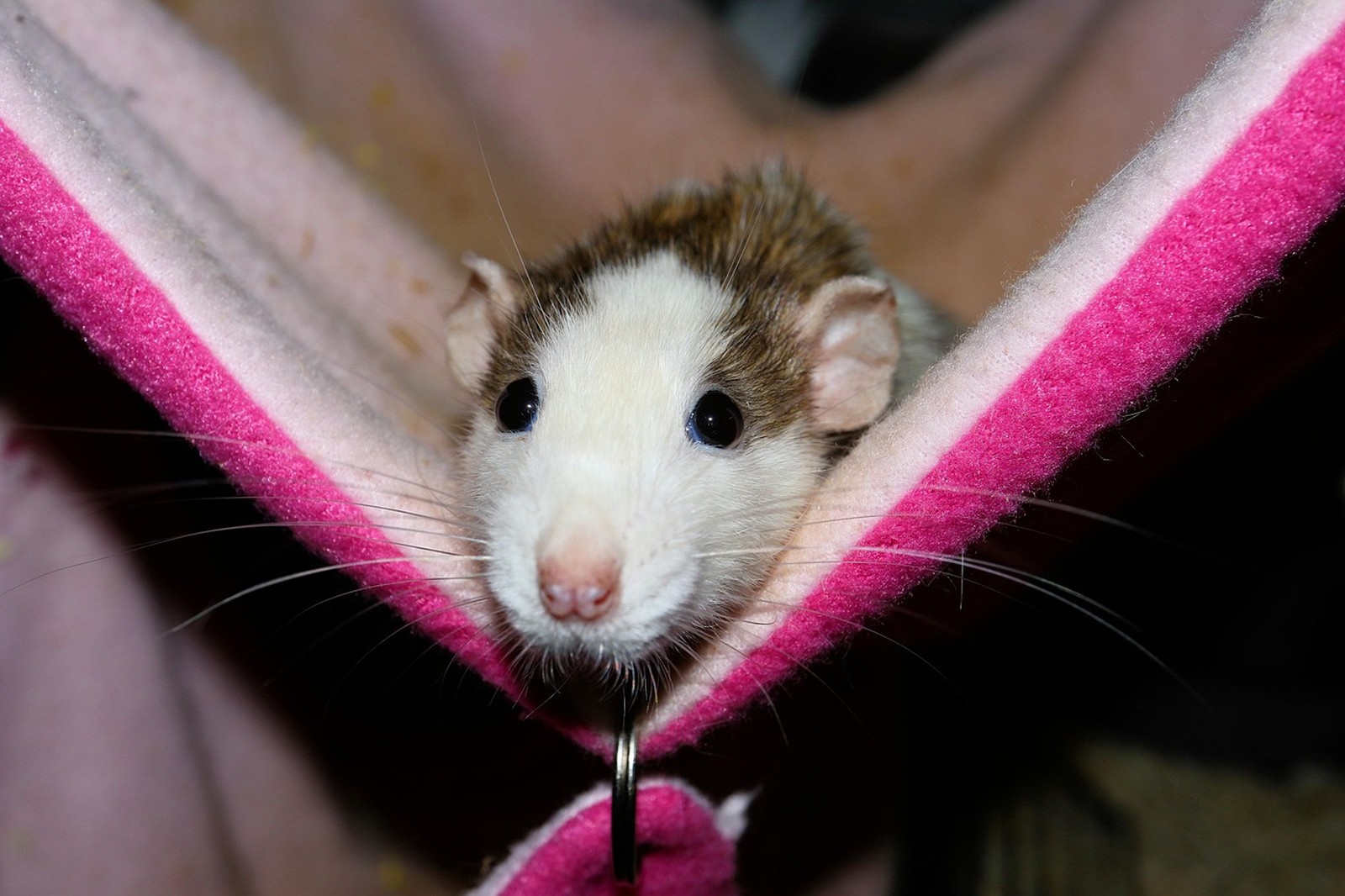
Rats are inexpensive to feed and quietly expensive to keep well, and any honest monthly figure has to start there. Rats should live in pairs or groups, so budget for at least two: about 75 to 130 dollars a month for a pair, with the vet savings line deliberately the largest single item after bedding.
Food: Blocks Plus the Fresh Bowl
- Lab blocks: about 10 to 15 dollars. A quality block or nugget made for rats should be the dietary base, available most of the time. Seed mixes look appealing and are a poor staple, because rats sort out the fatty favourites and leave the balanced pieces behind.
- Fresh food: about 10 to 15 dollars. A small daily bowl of vegetables, with modest amounts of fruit, cooked grains or a little protein, adds variety and enrichment. This usually comes out of the household shop, which is why owners underestimate it until they add it up.
- Treats and foraging extras: a few dollars. Scatter feeding and hiding food in shredded paper turns mealtime into work, which rats visibly relish.
Bedding, Hammocks and the Cage Economy
A proper rat cage is tall and large, and covering its base and litter trays with dust-extracted paper or similar bedding typically costs about 15 to 25 dollars a month, because rats urinate more than desert rodents and spot-cleaning only stretches a change so far. Fleece liners are an alternative with laundry costs instead. Hammocks, ropes and cardboard hideouts are consumables in the truest sense: rats chew them, scent-mark them and sleep them into ruin, so allow about 5 to 10 dollars a month for replacements, topped up with free cardboard whenever you have it.
Why the Vet Fund Is So Large
Save about 30 to 50 dollars a month, without apology. Rats commonly develop respiratory infections that need prompt veterinary treatment, and mammary and other tumours are frequent, especially in older females, with surgery sometimes a genuine option. They also live only around two to three years, which compresses a lifetime of senior health costs into a short span. A rat that sounds rattly, sneezes persistently, loses weight or develops a lump needs a vet who treats small mammals, and having the fund ready is the difference between going this week and hoping.
Totalled honestly, rats cost more per month than most small pets of their size, and owners who know that in advance tend to be the ones still delighted by them in year two. For the health spending that dominates the budget, KinsLe's Pet Passport keeps each rat's examination notes, weights and treatment history in one records packet you can hand straight to the vet.