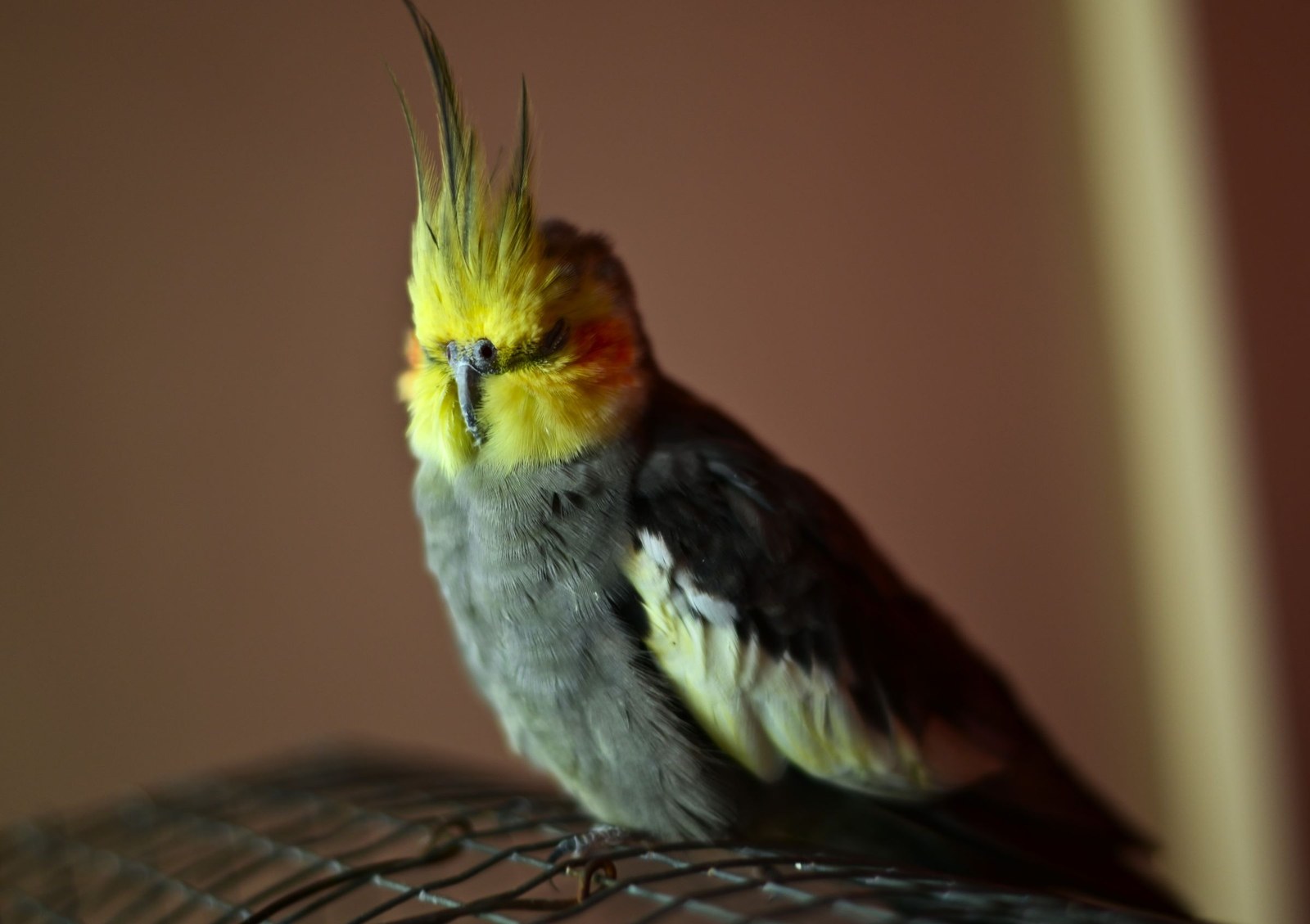
Your bird needs about 10 to 12 hours of uninterrupted sleep each night in a quiet, darkened space — roughly matching the natural day-night cycle near the equator, where most pet parrots, budgies, and cockatiels originate. A breathable cage cover can absolutely help by signalling bedtime and blocking household light, provided your bird is comfortable with it and air still flows freely.
Why sleep matters so much for birds
A chronically under-slept bird is often a cranky bird: more screaming at dawn, more nipping, more cage territoriality. Long artificial days also skew the light cues that regulate hormones, and owners sometimes see restlessness, excessive egg-laying in hens, or seasonal behaviour arriving at odd times of year. Consistent darkness is one of the simplest welfare levers you control — before buying anything for a "behaviour problem," many avian vets ask first about the bird's sleep schedule.
Using a cage cover well
A cover works when it is part of a routine, not a punishment or a sudden blackout. Choose a breathable fabric, drape it at the same time each evening, and pair it with the same cues: lights lowered, voices softer, a consistent goodnight phrase. Some birds settle better with the front left partly open, especially at first. Never use a cover to silence a bird during the day, and introduce it gradually to a bird that has never had one — drape it over part of the cage for a few evenings so it reads as furniture, not ambush.
Alternatives work too: a separate smaller sleep cage in a quiet spare room suits birds in lively households, and it has the bonus of doubling as a travel and emergency cage the bird already trusts.
Building the evening routine
- Dim the room lights 30 minutes before cover time
- Offer a final drink, snack, and cage tidy early enough that the bird is settled, not digesting a party
- Keep televisions, barking dogs, and late-night kitchen noise away from the sleep spot where you can
- Wake at a consistent time too — a regular 10-to-12-hour night beats a perfect bedtime with chaotic mornings
Night frights deserve a mention for cockatiels in particular: a small night light near (not in) the cage lets a startled bird see its surroundings and settle, and is safer than total blackness for panic-prone birds.
How KinsLe helps
Plenty of sleep questions only surface once you are living the routine: how dark the room must be for a budgie, whether a cockatiel who naps at noon still needs the full ten to twelve hours, what to change when dawn screaming starts. Take each one to Kinny in KinsLe as it arises, and the answer you get is fitted to your bird's species, age, and current schedule rather than to birds in general. When a new cover question comes up, put it to Kinny in KinsLe and read a reply shaped by the library behind KinsLe Answers.