
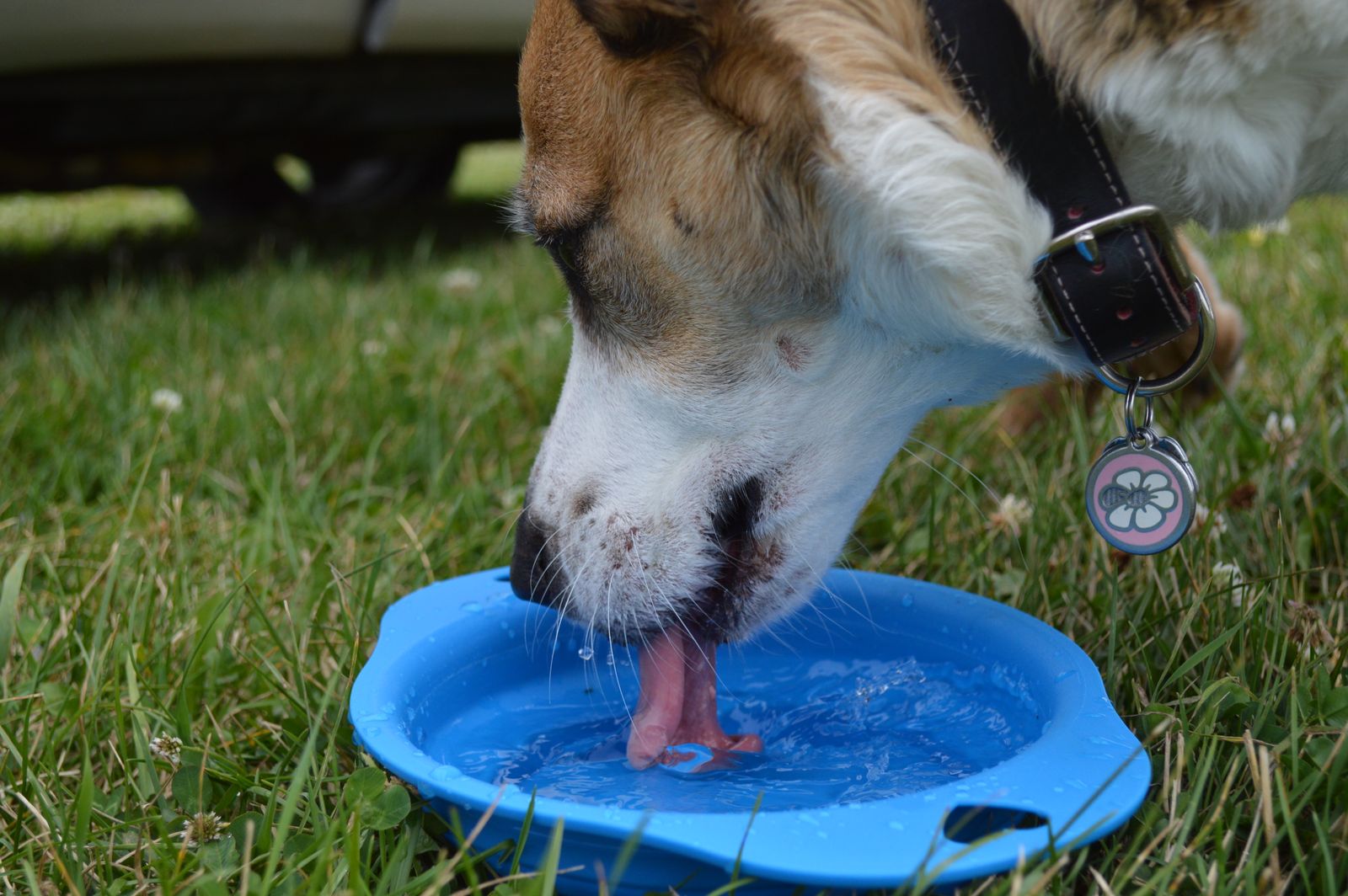
Healthy dogs should have fresh, clean water available all day and will typically drink roughly an ounce of water per pound of body weight daily, though needs rise after exercise, on warm days, and on a dry-food diet. A 30-pound dog might drink around 3 to 4 cups across the day, sipped in many small visits to the bowl rather than in one or two big drinks.
What Normal Drinking Looks Like
Dogs self-regulate well when water is always accessible. Expect more drinking after walks, play, and meals, in summer heat, and for nursing mothers. Dogs eating wet food — which is mostly water — will visit the bowl less than kibble-fed dogs, and that is normal. Puppies drink frequently in small amounts and need water offered often during house training, with a reasonable last top-up before bed.
Judge by pattern, not a single day. Fill the bowl to the same level each morning for a few days and note how much is gone by evening; you will quickly learn your dog's normal. Multiple dogs sharing bowls make measuring harder, but you can still watch each dog's habit at the bowl — who lingers, who walks past, who suddenly camps beside it.
Bowl Habits That Keep Water Appealing
Wash water bowls daily with hot soapy water and rinse well — the slippery biofilm that forms in an unwashed bowl puts many dogs off and harbors bacteria. Stainless steel or ceramic bowls are easier to keep clean than scratched plastic. Refill with fresh water at least twice a day, keep a second bowl in the area where your dog spends evenings, and on walks carry water and a portable bowl rather than letting your dog drink from stagnant puddles.
For outdoor dogs, check water in freezing and very hot weather — ice and hot, algae-prone water both cut intake. Automatic waterers help, but still inspect and clean them; availability only counts if the water is actually drinkable.
Changes That Deserve a Vet Call
A sudden, sustained increase in drinking — emptying bowls that used to last, asking to go out to urinate far more, or having accidents after being reliably house trained — should be mentioned to your veterinarian promptly. The same goes for a clear drop in drinking, refusal to drink, excessive drooling, vomiting after drinking, or dry, tacky gums. Increased thirst can accompany several medical conditions as well as some medications, and only your vet can work out the cause; do not restrict water while you wait for the appointment unless your vet instructs you to.
Bring notes: when the change started, how much you estimate your dog now drinks, appetite and urination changes, and any new medicines or foods. That timeline helps your vet enormously.
Water Questions, Answered as They Come Up
Water intake raises questions no single guideline settles: how much extra a kibble-fed dog should drink in a heat wave, whether a puppy's constant small sips are typical, how to tell a thirsty week from a real change. Put each one to Kinny in KinsLe as it comes up, and the reply you get speaks to your dog's size, diet, and daily pattern — the same details you would use to judge the bowl yourself.
For a drinking change you want to understand better, take the question to Kinny inside KinsLe, with replies drawn from the KinsLe Answers library.