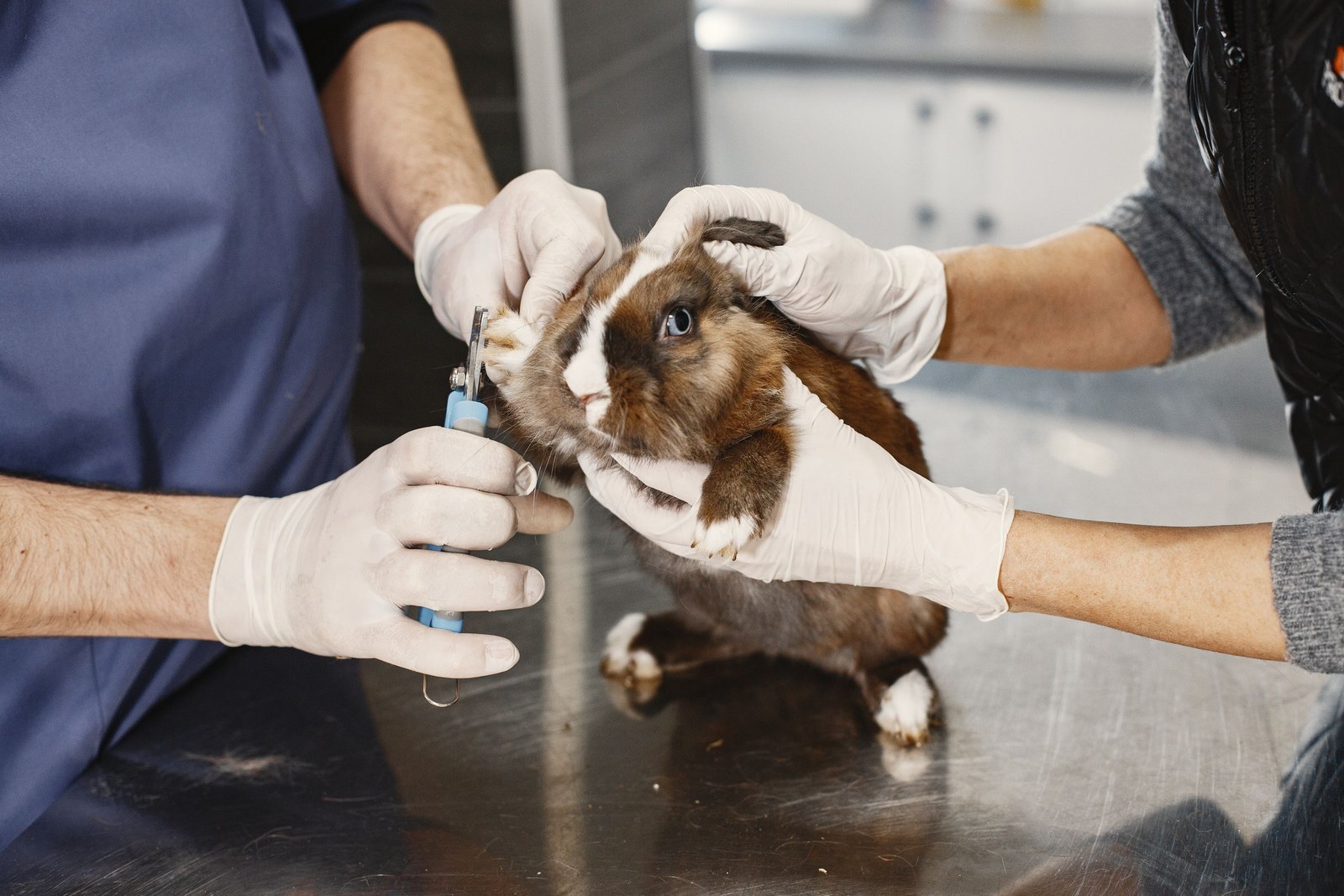
Plan on a routine vet check once a year for most rabbits and guinea pigs — that yearly wellness visit is the baseline — and expect your vet to suggest more frequent checks, often every six months, as your pet gets older or if they have an ongoing issue like recurring dental wear. These visits are not a formality: they let the vet examine teeth, weight, feet, and coat in a calm, unhurried appointment and catch small problems while they are still small, cheap, and kind to fix.
What a Good Wellness Visit Covers
For both species, expect a weight check and body-condition assessment, a look at the front teeth and as much of the mouth as can be assessed, and a feel of the jaw and abdomen. Feet deserve attention: guinea pigs are prone to sore, swollen feet if they live on unsuitable flooring, and rabbits can develop sore hocks — both are far easier to address early. The vet will check coat and skin for mites, flaky patches, lumps, and (in rabbits especially) the rear end for flystrike risk, listen to heart and lungs, and ask about appetite, droppings, and behaviour. Guinea pigs may have their vitamin C intake discussed; rabbits, their vaccination status where relevant. Come ready to report honestly on hay intake — it is the single most informative answer you will give.
Why Older Pets Need a Shorter Interval
Senior rabbits and guinea pigs — broadly, rabbits over about five and guinea pigs over about four, though individuals vary — change faster. Kidneys, hearts, joints, and teeth all age, arthritis creeps in quietly, and weight trends matter more. Twice-yearly visits give the vet two chances a year to spot the drift, adjust the home setup (lower litter-tray sides, softer bedding, ramps removed), and keep an older animal comfortable rather than merely treated. If your vet suggests blood work for an older pet, this is why: baselines taken while an animal is well make later results far easier to interpret.
Between Visits, You Are the Monitoring System
A yearly or twice-yearly rhythm only works if someone is watching in between — and that someone is you. The home routine is short: weekly weighing, a weekly once-over of teeth, feet, coat, and rear end, and daily attention to appetite and droppings, since a rabbit or guinea pig who stops eating is a same-day call, not a wait-for-the-annual. Booking the next wellness visit before you leave the clinic, rather than relying on remembering in eleven months, is the simplest trick in this entire article.
Making Sure the Appointment Actually Happens
Annual tasks are the easiest to let drift — the pet looks fine, the diary is full, and suddenly eighteen months have passed. Shared households have an extra failure mode: everyone assumed someone else booked it. KinsLe's Care Teams let you assign care duties — feeding, walks, medications, grooming — with timestamped completions, and that same system can carry the booking and transport jobs for vet visits, so one named person owns the call, another owns the drive, and the completed task is on record. No drift, no duplication, no "I thought you did it." The Care Teams plan on KinsLe names one person to book the wellness visit and another to drive, then shows the finished job with its timestamp, so an annual check stops depending on memory.