
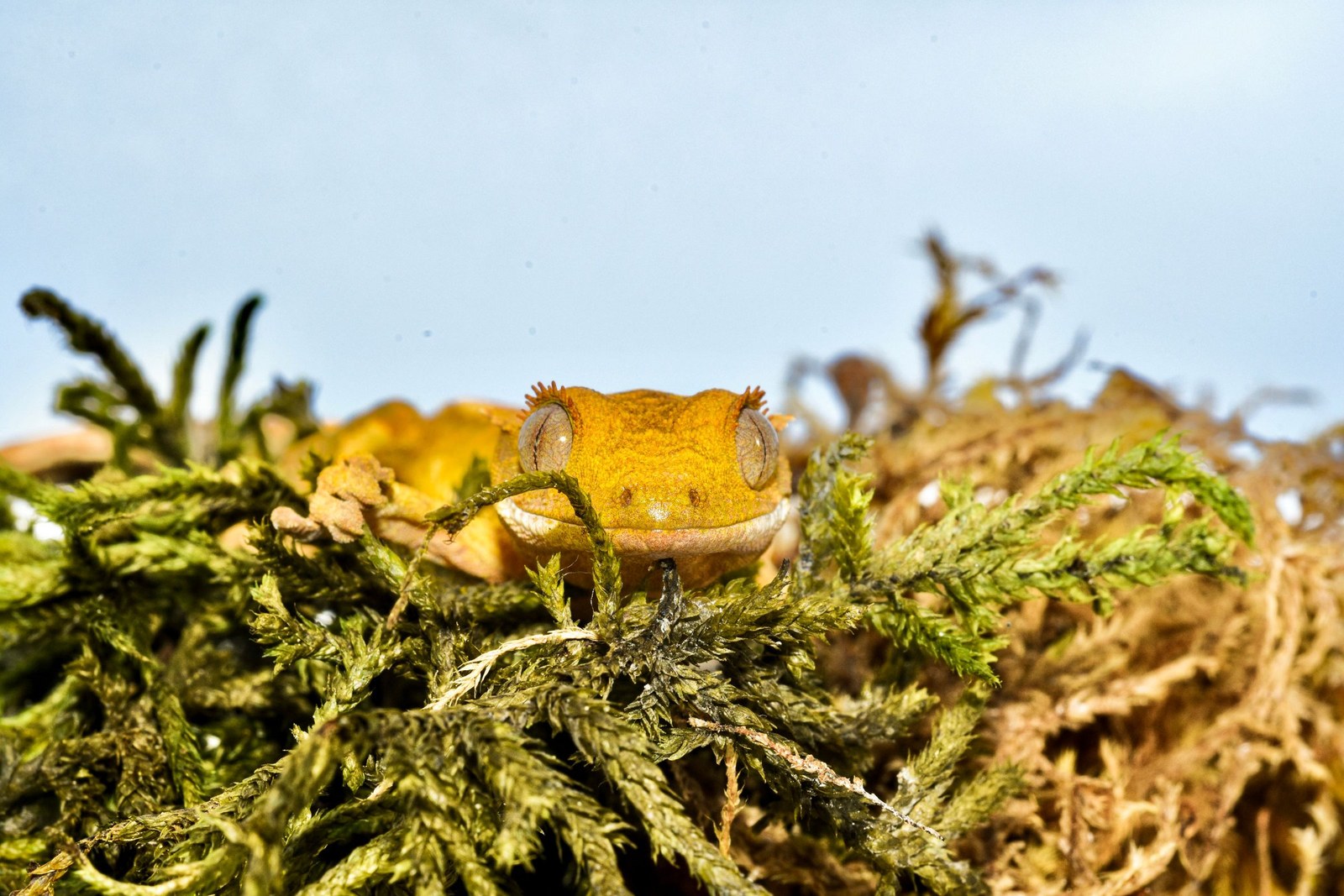
Most reptile enclosures need light daily spot-cleaning, fresh water every day or two, and a deeper clean every few weeks — roughly monthly for many setups, sooner if the substrate starts to smell or look soiled. There is no single calendar that fits every species, but the layered routine below works for most snakes, lizards, and tortoises, and you can tighten or stretch it based on how messy your animal is.
The daily five-minute tidy
Each day, remove droppings and urates, leftover shed skin, and any uneaten food. Dead feeders and spilled greens break down fast in a warm enclosure and feed bacteria and fungus gnats. Skim the water bowl too — many reptiles soak and defecate in their water, so a bowl that looks clear in the morning can be foul by evening. A quick glass wipe where your animal smears food or waste keeps the full clean from becoming a marathon later.
Weekly and monthly: the fuller clean
Once a week, wash food and water bowls with hot water and a reptile-safe cleaner, rinse thoroughly, and check the substrate under hides and around the water dish, where moisture hides. Every few weeks — or whenever odor builds — do the deep clean:
- Move your reptile to a secure temporary tub with a hide and water.
- Remove and discard disposable substrate, or wash and dry reusable liners and décor.
- Scrub the enclosure with an enclosure-safe disinfectant, following its contact-time and rinse directions exactly.
- Let everything dry completely before re-bedding, since trapped moisture invites mold.
- Replace worn décor and check heaters, thermostats, and seals while the tank is empty.
Bioactive enclosures with a cleanup crew of isopods and springtails need less substrate replacement, but you still remove waste the crew can't keep up with and refresh water just as often.
Adjust for your species and setup
A bearded dragon that eats salads daily soils its enclosure faster than a ball python that eats every two weeks, and a rainforest species kept humid needs more vigilance against mold than a desert species. Hatchlings and animals in quarantine enclosures deserve more frequent full cleans, since simple paper-towel setups are easy to strip and sanitize. Trust your nose: a healthy enclosure smells earthy at most, never like ammonia.
Hygiene keeps everyone safe
Wash your hands before and after handling your reptile or its equipment — reptiles can carry Salmonella without showing any sign of illness, and your hands can also carry lotions or residues that bother them. Keep a dedicated set of tongs, spray bottles, and a waste caddy for reptile chores only, and never wash enclosure items in the kitchen sink. If your animal is ill, clean more often and ask your veterinarian about disinfecting between treatments.
Stay on schedule with KinsLe
Cleaning slips easily in busy households, especially when several people share one gecko or snake. KinsLe's Care Teams let you assign cleaning and water duties to family members with timestamped completions, so everyone can see what's actually been done instead of guessing. That layered routine holds together when the morning spot-clean and the fresh-water swap sit in the Care Teams roster on KinsLe, each owned by a named household member and ticked off with its completion time.