
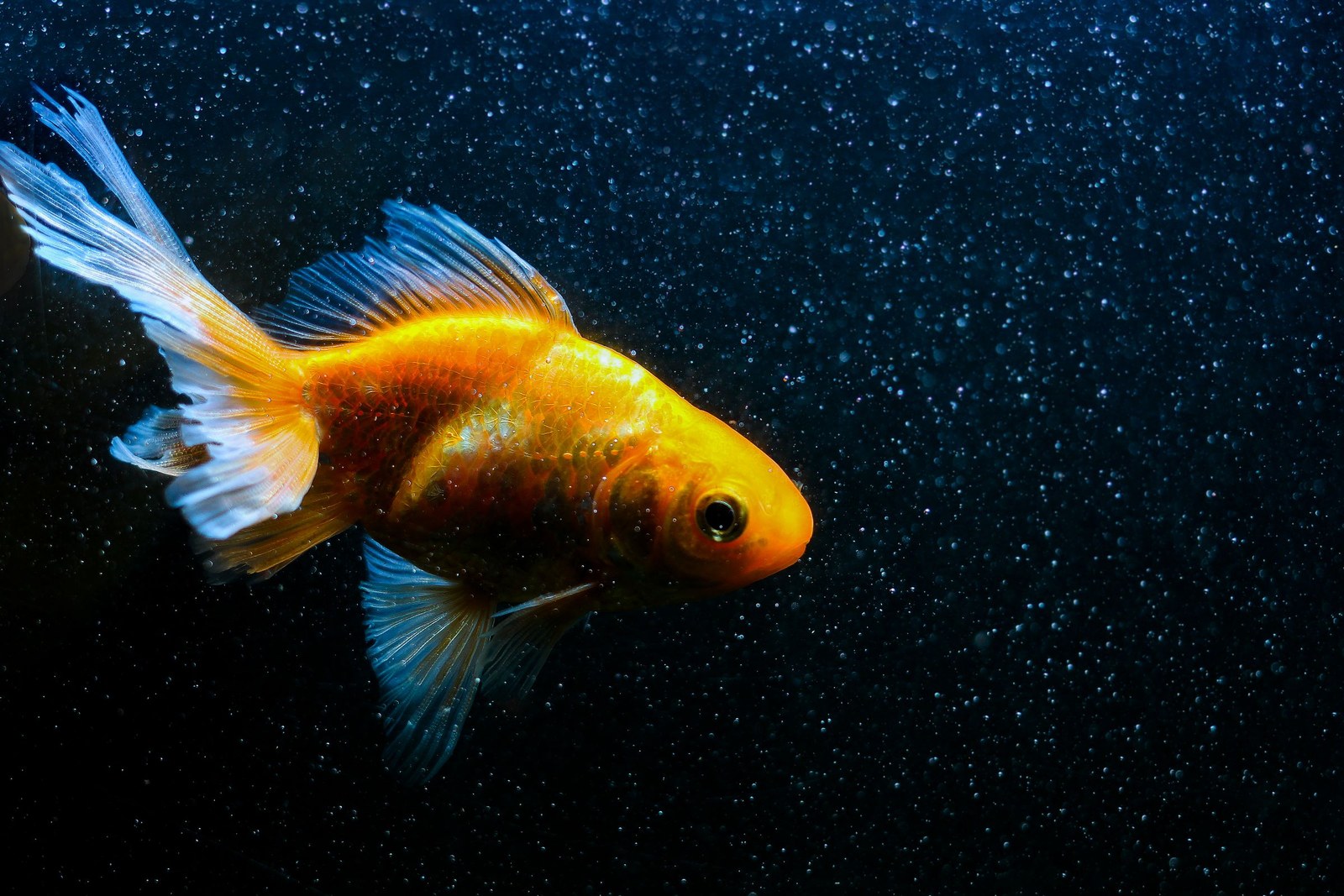
The Direct Answer: Weekly Partial Changes for Most Tanks
Most goldfish keepers do a partial water change every week, replacing roughly 25–40% of the tank water with fresh, treated water matched to a similar temperature. The exact amount and frequency depend on your tank size, how many fish you keep, and what your test kit says — a heavily stocked tank may need larger or twice-weekly changes, while a lightly stocked, well-filtered setup might hold steady with less. Let your ammonia and nitrate readings guide you rather than following a rigid number. Consistency beats intensity: a moderate change every single week does more for water quality than an occasional massive overhaul.
Why Partial Changes Beat Full Ones
It’s tempting to think “cleaner is better” and replace all the water — resist that urge. A full water change wipes out the stable chemistry your beneficial bacteria maintain and shocks your fish with suddenly different pH, hardness, and temperature. Partial changes are gentler by design: they dilute nitrates and replenish minerals while leaving the biological filter and overall water chemistry intact. Think of it like airing out a room versus demolishing the house. Your goldfish evolved no ability to handle sudden wholesale chemistry shifts, but they handle gradual dilution beautifully — which is exactly what a weekly partial change provides.
A Step-by-Step Water Change Routine
Start by unplugging the heater and filter if the water level will drop below them. Use a gravel vacuum to siphon water from the substrate — this pulls out trapped waste and uneaten food while you drain, doing double duty. Prepare the replacement water in a clean bucket: treat it with a dechlorinator first (tap water’s chlorine and chloramine are toxic to fish and filter bacteria alike), then match it within a couple of degrees of tank temperature. Pour it back in gently — a plate or your hand held under the stream prevents blasting the substrate — then restart your equipment and give everything a quick visual check. The whole job takes 20–30 minutes once you’ve done it a few times, and your goldfish will often perk up visibly afterward.
Let Your Test Kit Set the Schedule
Water changes shouldn’t be pure guesswork. A liquid test kit measuring ammonia, nitrite, nitrate, and pH turns your routine from ritual into science: if nitrates stay under about 40 ppm with weekly changes, your schedule is working; if they climb past that, increase the percentage or frequency. New tanks that are still cycling need closer attention — testing every couple of days and changing water whenever ammonia or nitrite appears. Write down your readings for a month and you’ll start seeing your tank’s personal rhythm, which makes every future decision easier and far less anxious.
Care Teams Log Every Change
Here’s the household problem every fish keeper knows: “Did anyone do the water change this week?” KinsLe’s Care Teams solve it cleanly — assign water changes as recurring duties, and each completion gets a timestamped log the whole family can see. You’ll always know when the last change actually happened, who handled the filter rinse, and whether the test kit readings were checked. Shared tanks thrive on shared accountability.
Nobody has to rely on memory once the weekly change, the filter rinse, and the nitrate reading are logged in the Care Teams record on KinsLe, entered beside the name of whoever did the work and the hour it was finished.