
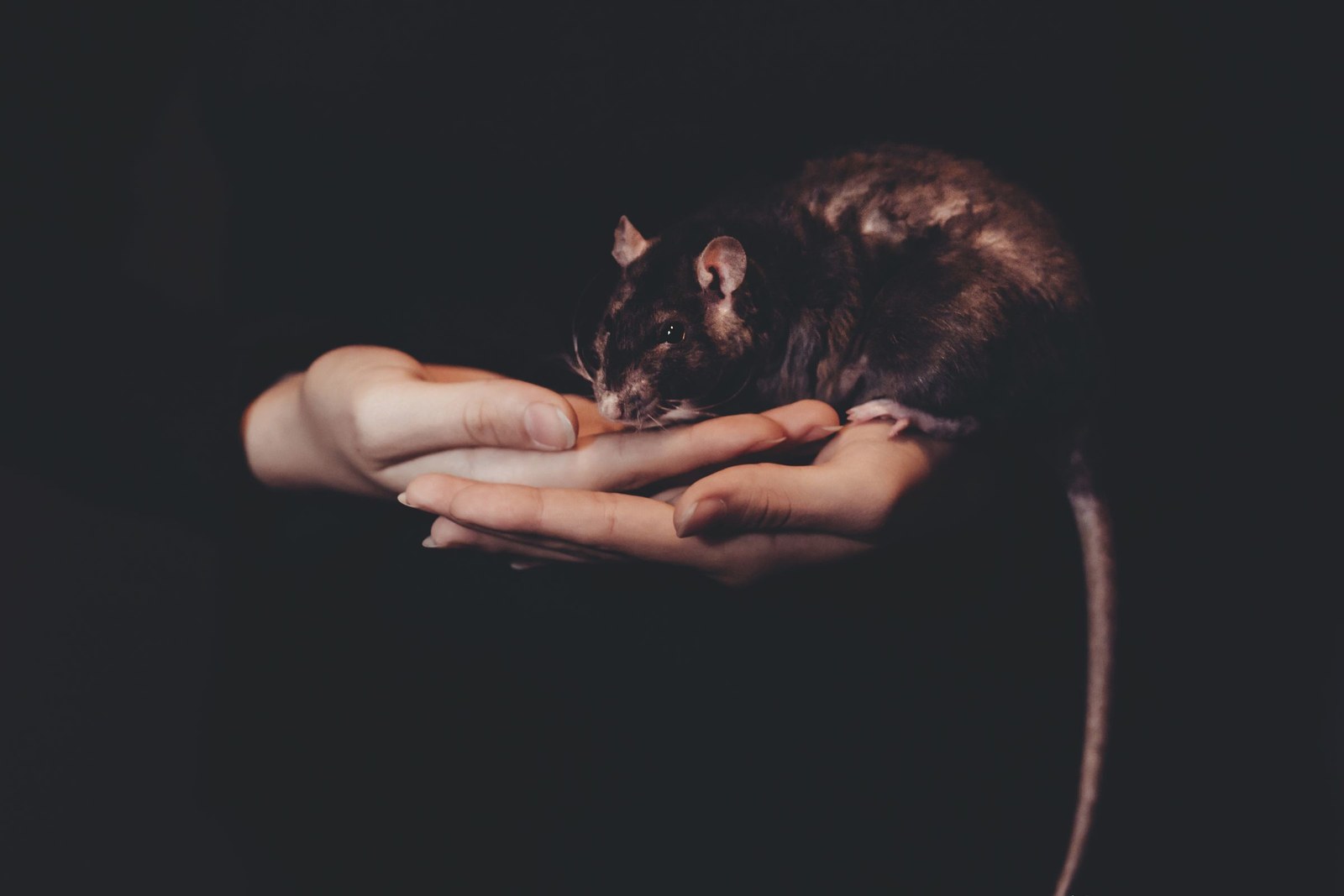
Book a veterinary appointment to have the lump checked — that is the whole first step, and it does not need to wait until the lump changes. Lumps are common in rats and mice, particularly as they age, and they range from harmless fatty growths and abscesses to tumors that deserve timely decisions. Only a vet can assess what a lump is, usually by examining it and sometimes by sampling cells, so the kindest and most useful thing you can do is get it looked at while your pet is still comfortable and eating well.
Why lumps are so common in rats and mice
Owners are often startled to find a lump, but in these species it is one of the most ordinary reasons for a vet visit. Female rats in particular are prone to mammary tumors, which can appear anywhere along the underside from armpit to groin, because mammary tissue spreads widely in rats. Mice develop lumps too, and in both species abscesses — pockets of infection, sometimes from a tiny bite or scratch from a cage mate — can look deceptively like tumors. That overlap is exactly why guessing at home does not work: a lump that feels soft and harmless can be an abscess that needs draining, and a slow-growing one can still be a tumor where earlier action gives you more options.
What to monitor while you wait for the appointment
Gentle observation gives your vet valuable information. Note:
- When you first found the lump, and roughly its size — pea, grape, larger
- Where it sits, and whether it moves under the skin or feels fixed
- Whether the skin over it is intact, red, warm, or broken
- Any change in appetite, energy, mobility, or grooming
- Whether cage mates are bothering the area
Keep handling gentle and brief, support your pet's whole body, and avoid squeezing or pressing the lump to "test" it. A photo taken next to a coin for scale, repeated weekly, tracks growth far more reliably than memory. If the lump opens, bleeds, smells bad, or your pet stops eating or moving comfortably, that appointment becomes urgent — call the same day.
What the vet can do, and the decisions ahead
Your vet may suggest monitoring with measurements, sampling the lump with a fine needle, treating an abscess, or discussing surgery. In rats, removing a mammary tumor while it is small is often a much simpler procedure than waiting until it is large, which is another reason early visits pay off. Whatever the plan, ask what changes should prompt you to call sooner, and get the findings in writing. There are no home remedies that shrink a lump, and supplements or creams marketed for the purpose only delay real answers.
Keeping the timeline straight
Small pets often see more than one vet over a lifetime — your regular practice, an exotics vet, an emergency clinic — and a lump's history matters at every visit. Each pet's KinsLe profile carries its own unique QR ID, and keeping the date you found the lump, its measurements, and each vet's findings on that profile means the timeline travels with your rat or mouse instead of living in scattered texts and memory. If your pet is ever examined away from home, that QR-linked profile identifies them and their record at a glance. Verified QR ID Pet Profiles let anyone examining your pet away from home confirm who that animal belongs to: a scan of the linked code opens the profile on KinsLe and shows your contact details.