
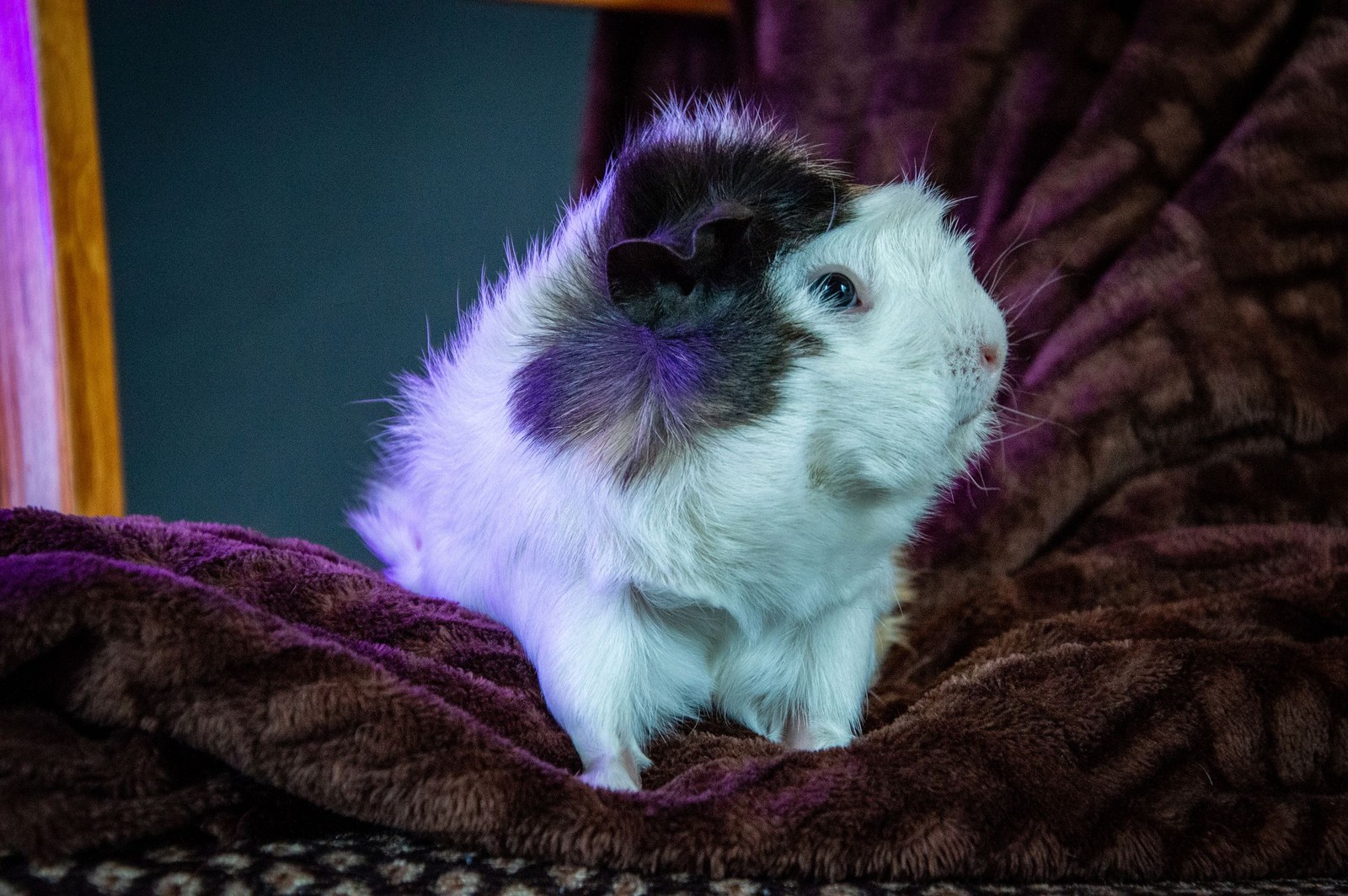
Repeated sneezing combined with crusty eyes is a sign your guinea pig needs an exotics veterinarian promptly — not home remedies or a wait-and-see approach. Guinea pigs hide illness well and respiratory problems can worsen quickly, so discharge from the eyes or nose, noisy breathing, or a drop in appetite should all move you to call the vet the same day.
What these symptoms can mean
Sneezing alone, once, after burrowing into fresh hay is not always an emergency. A pattern is different. Repeated sneezing, white or yellow discharge, eyes that look crusty, half-closed, or watery, and breathing you can hear — clicking, wheezing, or labored effort — point to irritation or infection in the airways or eyes. Guinea pigs are obligate nasal breathers with sensitive respiratory systems, so congestion is harder on them than it would be on a hardier pet.
Other clues matter too. Is your pig eating less hay, leaving favorite vegetables untouched, or sitting hunched and quiet in a corner? Has weight started to slip? Small prey animals often show illness first through appetite and energy changes, so a pig who is sneezing and also off their food needs to be seen even sooner.
What to do right now
Call a veterinarian experienced with guinea pigs — an exotics vet — and describe the symptoms, when they started, and whether appetite or breathing has changed. Ask how quickly they want to see your pig; clinics will often prioritize a small mammal with respiratory signs.
While you wait for the appointment:
- Keep your pig warm, calm, and indoors, away from drafts and temperature swings.
- Remove dusty bedding and avoid scented products, air fresheners, and cigarette smoke near the enclosure.
- Offer familiar hay and fresh water, and note how much your pig actually eats and drinks.
- Handle gently and briefly — stress makes breathing harder for an unwell pig.
- If your vet advises it, separate your pig from cage mates, while keeping them close enough to hear and smell companions if that reduces stress.
Do not try leftover antibiotics, eye drops made for people or other pets, or essential oils. Medicines safe for dogs or cats can be dangerous for guinea pigs, and only your vet can decide what, if anything, is appropriate after an examination.
At the vet and back home
The vet will listen to your pig's chest, examine the eyes, nose, and teeth — dental problems can sometimes contribute to eye discharge — and ask about bedding, hay, recent new animals, and any cage mate symptoms. Bring that information with you, and mention if another pig in the home is sneezing too.
At home, follow your vet's instructions exactly, keep the enclosure scrupulously clean and dry, and monitor appetite, droppings, breathing, and weight daily. If breathing becomes open-mouthed, your pig stops eating, or lethargy deepens, treat that as urgent and contact the clinic or an emergency service right away.
Safety signs that should not wait
Labored or noisy breathing, no interest in food for several hours, a hunched posture with a rough-looking coat, discharge that returns quickly after gentle cleaning, or a pig who feels cold and unresponsive all warrant immediate veterinary advice. For a two-pound prey animal, hours matter more than they might for a larger pet.
How Care Pass helps when someone else is watching your pig
Illness rarely waits for a convenient week. If a sitter is caring for your guinea pig while you travel, KinsLe's Care Pass lets you share a temporary, scoped link with the vet's details, feeding notes, and clear instructions on when to call for help — and the sitter needs no account or app to open it. That means the person holding your pig notices sneezing or crusty eyes and knows exactly what to do next, instead of guessing. Care Pass on KinsLe gives that sitter access only for the dates of your trip, limited to this pig's vet details, feeding notes, and instructions for reaching the clinic.