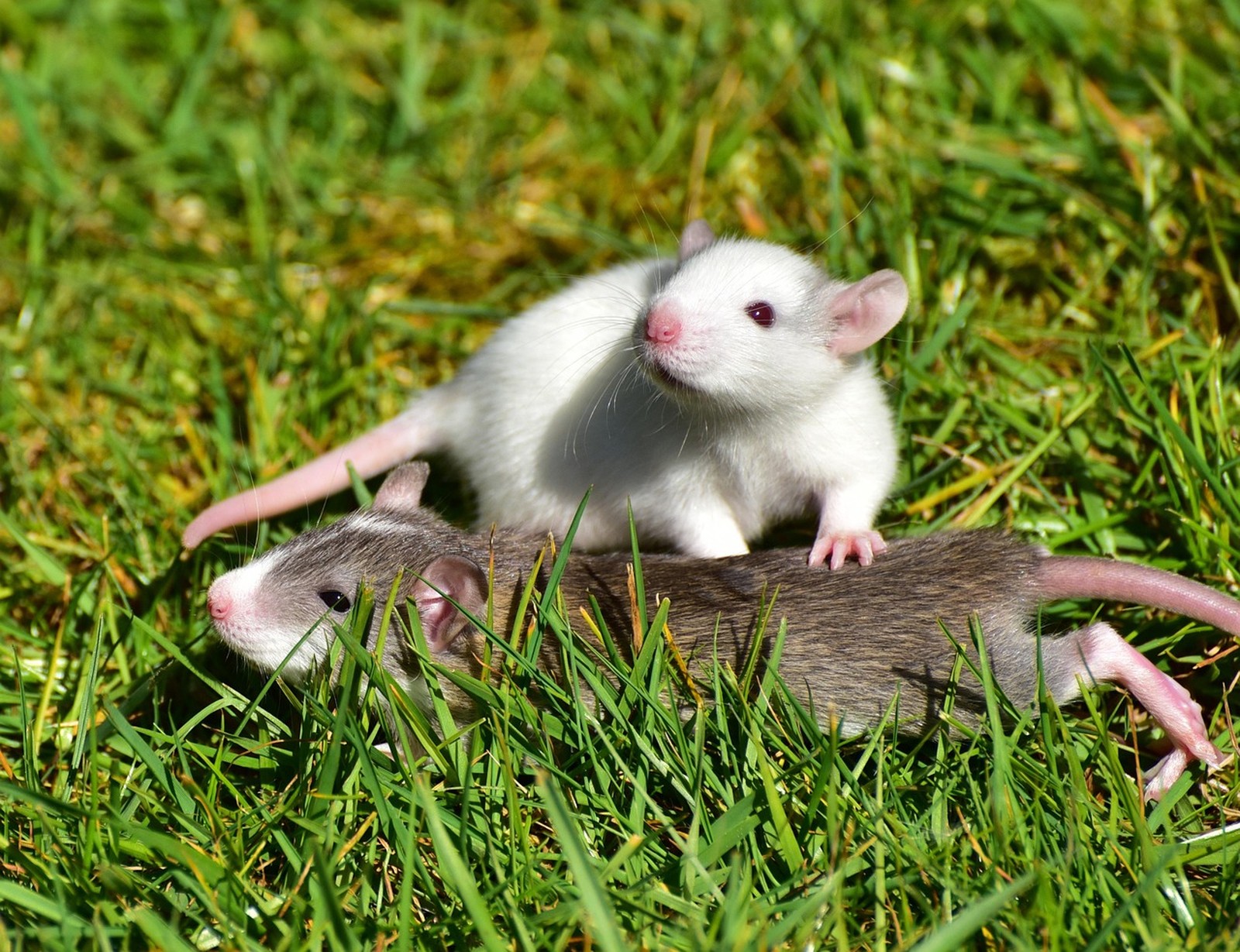
Get two rats, not one. A lone rat is not an independent pet who happens to enjoy company; rats are group animals whose whole social life is built around other rats. They groom each other's hard-to-reach places, squabble and reconcile, warn each other about strange noises, and settle to sleep touching. An owner, however devoted, sleeps through the hours when rats are busiest and cannot replace that round-the-clock companionship.
What loneliness looks like in a single rat
A rat kept alone often becomes quieter and less curious, not calmer. Watch for a rat who sleeps far more than expected, loses interest in exploring during free-roam time, over-grooms until the fur thins, or becomes unusually clingy or unusually withdrawn when handled. Some single rats eat less; others sit by the cage door waiting. These are not personality quirks to work around with extra toys. They are the predictable result of a social need going unmet, and adding enrichment alone rarely fixes them.
The pairing that works: same-sex and bonded
Keep rats in same-sex pairs or small same-sex groups. Mixed-sex pairs produce litters quickly and repeatedly, which is unfair on the female and leaves you placing many young rats you did not plan for. The easiest start is two siblings of the same sex who have lived together since birth, because they arrive already bonded. Two young males tend to be boisterous and then settle; two females tend to stay lively and busy. Either works well. If you adopt adults, ask whether they already live with a companion and keep that bond intact rather than separating them.
Introducing an unfamiliar second rat later is possible, but it takes a staged process on neutral ground, short supervised meetings, and patience while the rats work out their order. That is another reason to start with a pair: you skip the introduction work entirely and the rats have company from their first night.
Two rats do not mean double the work
The cage, food, and bedding for two rats cost little more than for one, and in one respect two are easier: a confident rat encourages a shy cagemate to explore, take food from your hand, and learn the household routine. You will need a cage roomy enough for two to move apart as well as together, with more than one sleeping spot, more than one water source, and hammocks and hides in duplicate so nobody has to compete for the best place. Scatter feeding and rotating cardboard boxes, tunnels, and digging material keep both rats occupied rather than one guarding resources.
Out-of-cage time matters daily. Rats need a rat-proofed room or playpen, cables lifted, gaps blocked, and supervision throughout, because two curious rats find trouble faster than one. Handling both rats every day keeps each one tame with people as well as with each other; do not let the bolder rat monopolise your attention while the quieter one fades into the background.
If you already have one rat
Do not wait for a better moment. Look for a same-sex companion of a similar age, quarantine the newcomer in a separate cage in another room for a period your vet or an experienced rescue advises, then introduce them gradually away from the resident rat's cage. Expect some pinning, squeaking, and posturing while they settle; intervene for real biting or a rat who stops eating. Most single rats brighten noticeably within days of gaining company.
Shared care keeps a busy pair's routine steady, and KinsLe Care Teams lets you assign feeding, handling, and cage cleaning for both rats to the people in your home, with completed tasks marked so the quieter rat never gets overlooked.