
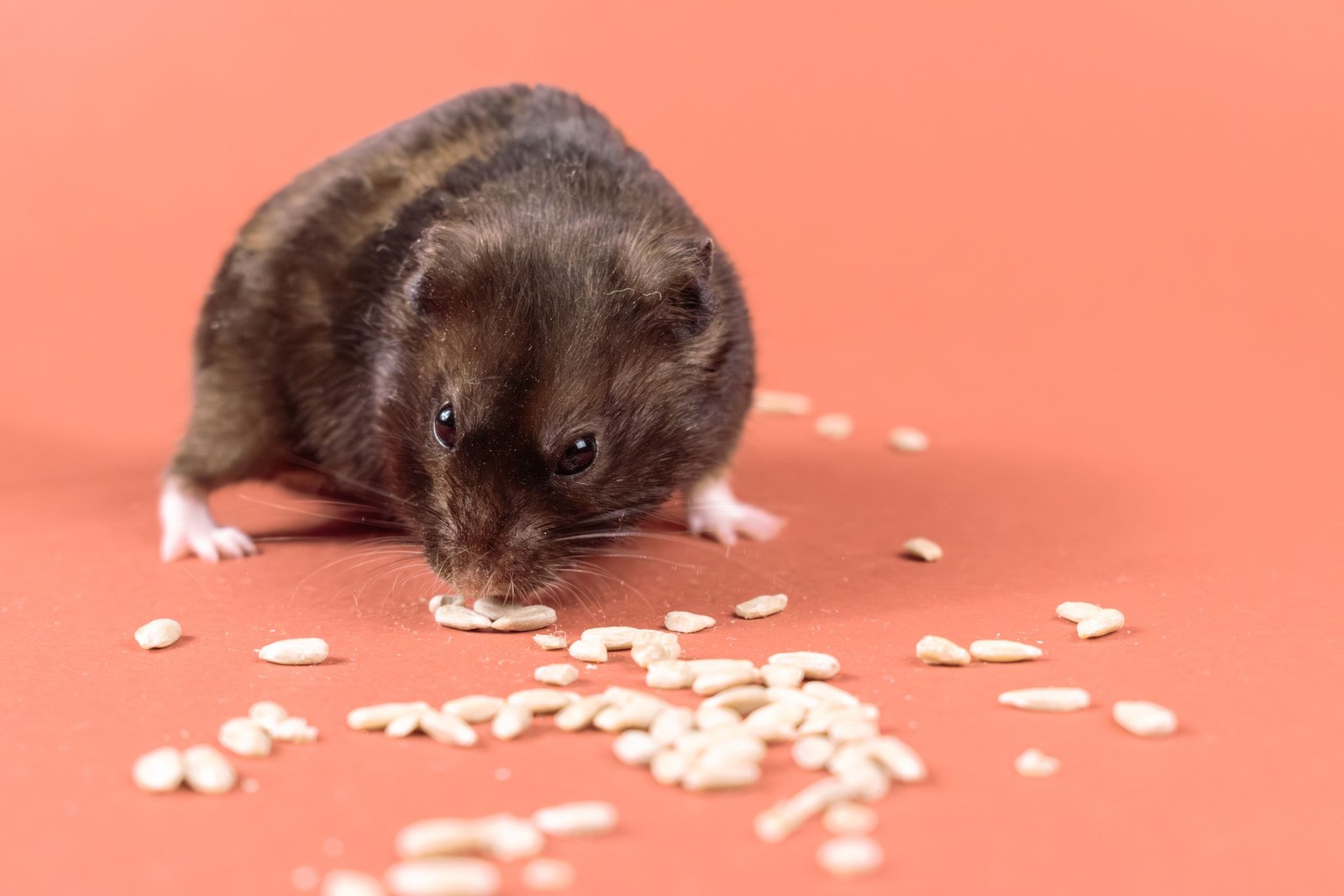
Keep a Syrian hamster alone — that is not a compromise, it is what the species needs. Syrian (golden) hamsters are solitary by nature, and once they reach maturity, a cage mate is not company but a rival: pairs housed together will fight, sometimes seriously and sometimes fatally, often with no warning after weeks of apparent peace. Your hamster will not be lonely in a well-set-up solo cage; a territorial animal experiences a cage mate as stress, not friendship.
Why Syrians are wired to live alone
In the wild, Syrian hamsters live alone in separate burrows, meeting only to mate and defending their territory — including their food stores — fiercely. Captivity does not switch that wiring off. Babies from one litter may tolerate each other for their first several weeks, which is why pet shops display them together, but as hormones arrive around 6–8 weeks the relationship reliably breaks down. The heartbreaking pattern owners report is consistent: two hamsters who "got along fine" for a month, then one morning of injuries. No cage is big enough to make a mature Syrian want a roommate, because the objection is not space — it is the other hamster.
The dwarf hamster exception — with fine print
Some dwarf species — Roborovski, Campbell's, and winter white hamsters — can sometimes live in stable same-sex pairs or small groups, usually littermates raised together and never separated. Even then, experienced keepers treat it as provisional: squabbles can erupt at maturity or out of nowhere, one hamster may quietly monopolize food and the wheel while the other loses condition, and you need duplicate everything — two wheels, two hides, two water sources, scattered feeding — to reduce competition. The non-negotiable condition is a complete spare cage, set up and ready, so a 10 p.m. fight becomes a calm separation rather than an emergency. Many owners conclude the honest answer for dwarfs, too, is one hamster per cage, with the pair option reserved for those ready to monitor daily.
Signs a pair is failing — act the same day
If you do keep dwarf hamsters together, separate permanently at the first sign of real trouble: chasing that ends in cornering, squealing fights, bite wounds (often at the face or rump), one hamster sleeping away from the group, or one losing weight while the other thrives. Do not "reintroduce and see" after blood is drawn — the next round is usually worse. A hamster who has been bullied often blossoms within days of solo housing: eating openly, wheeling at leisure, sleeping unhidden. That transformation tells you what the pairing was actually costing.
Solo does not mean boring
A single hamster with a large cage, a proper wheel, deep bedding to burrow in, chew toys, and scatter-fed food has a rich life by hamster standards — their social needs are met by territory, routine, and gentle human interaction on their schedule, which means evenings. If what your family truly wants is a social small pet who thrives on companionship, rats, gerbils, or guinea pigs are the better species to research. KinsLe's Circle of Love connects you with other small-pet owners who can share honest pair-keeping experiences — what worked, what failed, and what they would do differently — before you commit to a second hamster. Real stories from people who have separated a warring pair at midnight are worth more than any label on a pet-shop tank. Before deciding, spend time with the Circle of Love on KinsLe, where hamster keepers describe in their own words how a solo Syrian settled and how dwarf pairs held together or had to be split.