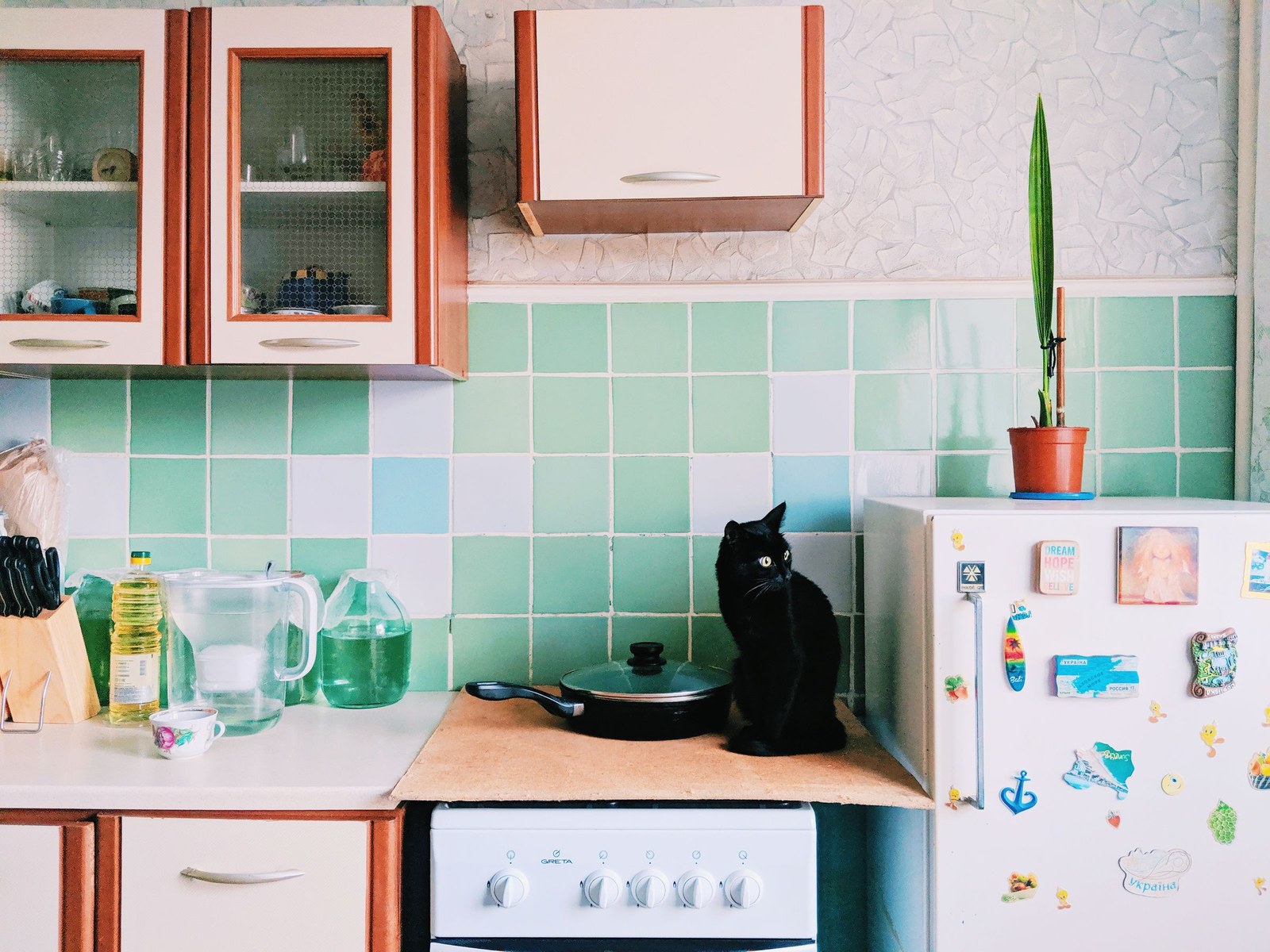
Yes — write it down. A shared feeding schedule listing amounts, times, and who is responsible prevents the two classic household failures: the missed meal nobody noticed, and the accidental double dinner your cat requested with a convincing performance of starvation. Cats are superb actors, and in any home with more than one person, "Has anyone fed her?" is asked far too often to leave to memory.
What the Schedule Should Include
A useful schedule is specific enough that a substitute feeder could follow it without texting you. Include the food name and exact amount — measured, not "a scoop," since scoops drift — feeding times, where she eats, any extras like the evening topper or the pill hidden in a treat, and fresh water duties. Note what is off-limits too: the cat who gets no dairy because it upsets her stomach, the treats reserved for medication time.
If you have more than one cat, give each her own line on the schedule. The senior on a kidney diet and the youngster who will steal anything not nailed down should never share a vague instruction like "feed the cats."
Where It Lives Matters
Post the schedule where the food lives — inside the pantry door, on the fridge, taped above the feeding station. A schedule saved in a phone note that only you can find fails the moment you are the one stuck at work. Keep it visible, current, and boring. When the routine changes — a new food, a vet-directed portion adjustment, a shifted work schedule — update the sheet that day and tell the household what changed, because an outdated schedule followed faithfully is worse than none.
The Double-Dinner Problem, Solved
The most valuable column on the schedule is the simplest: fed, with a time and initials. A checkmark system ends the debate instantly. Some households use a magnet moved across the fridge, others a whiteboard by the bowls — the tool does not matter, the timestamp does. This matters beyond calories: a cat on a weight plan, a diabetic cat, or one whose appetite is being monitored for health reasons needs feeding treated as data, not guesswork. A sudden unfinished bowl, logged, is often the first sign something is wrong.
Feeding Is More Than Food
While you are formalizing the routine, fold in the jobs that orbit feeding: refreshing water, washing bowls — bacteria love a neglected cat bowl — and noting how much was actually eaten versus served. Assign litter box duty to the schedule too if your household shares it. Clear ownership of small daily tasks prevents the slow resentment of one person quietly doing all of them.
Coordinating It All With KinsLe Care Teams
KinsLe's Care Teams let you assign feeding duties to family members with timestamped completions, so everyone in the house can see at a glance that the meal is done — no group chat archaeology, no double dinner. Duties can cover feeding, walks, medications, and grooming, each marked complete with a timestamp when finished. Your cat gets fed exactly once, on time, by whoever's turn it is, and you get the quiet confidence of a routine that runs even on chaotic days. Care Teams keep the written feeding schedule on KinsLe assigned to named household members, with each completed feeding marked so no meal gets doubled.