
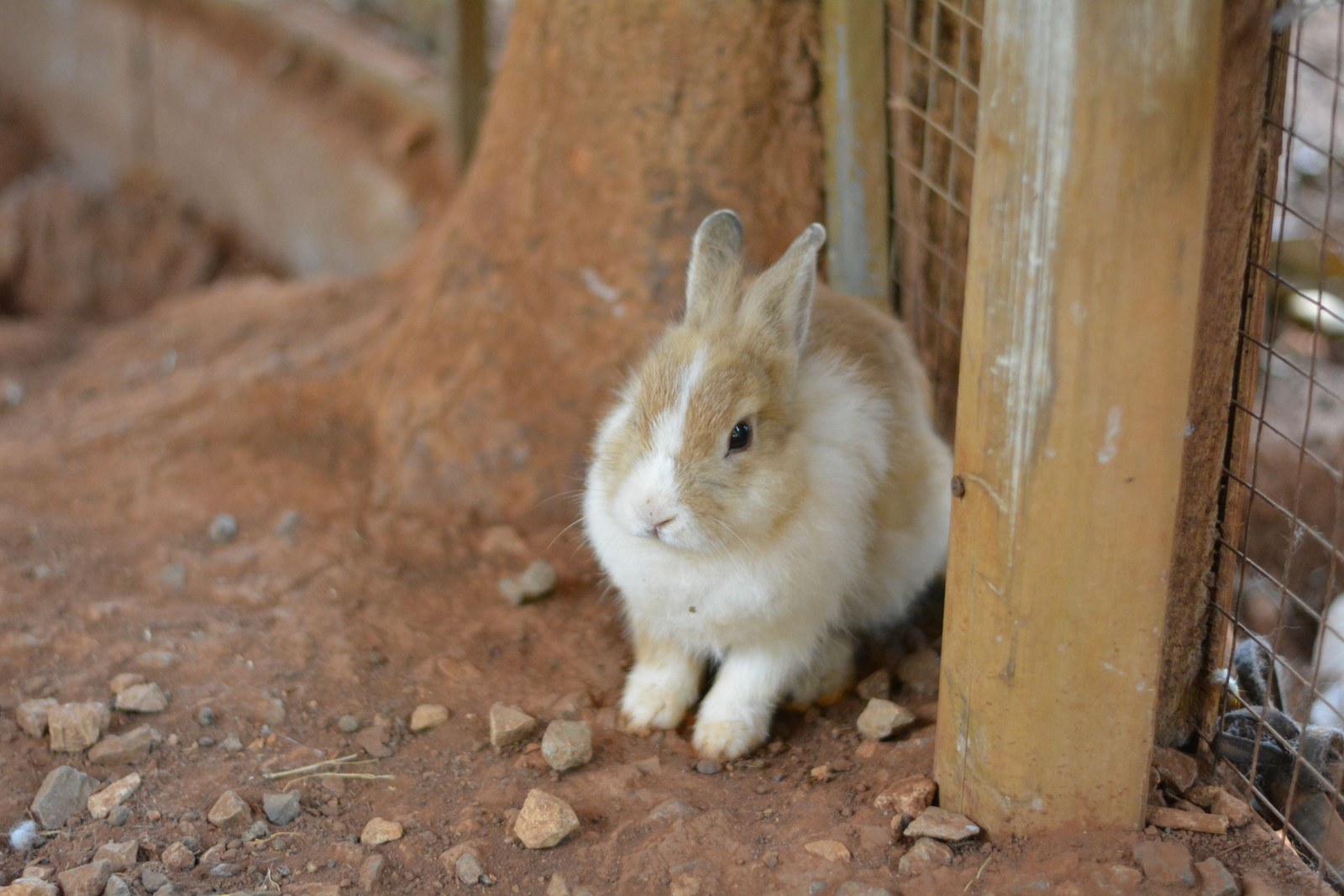
GI stasis — a rabbit's digestive system slowing down or stopping — is a genuine emergency, and its warning signs are changes you can spot: a rabbit who stops eating, produces few, tiny, or no droppings, sits hunched and unusually quiet, hides away, or grinds their teeth in pain. Do not wait it out at home hoping it passes. Contact an exotics-savvy veterinarian or an emergency clinic right away, the same day, because a rabbit's gut is designed to keep moving and deteriorates fast when it does not.
What Is Happening Inside
A healthy rabbit gut is in near-constant motion, pushing fibre through a long digestive tract. When that motion slows — from pain, stress, illness, dehydration, a low-fibre diet, or a hair-heavy molt — gas builds up, the rabbit feels worse, eats even less, and the slowdown deepens into a spiral. That is why stasis is both a condition and a symptom: it often arrives riding on another problem, such as dental pain, that also needs finding. This article offers general information only; only a veterinarian who examines your rabbit can diagnose the cause and decide treatment.
The Signs, in the Order Owners Notice Them
Most owners first notice the food bowl: favourite greens untouched, hay ignored. Then the litter tray tells the story — droppings shrinking in size and number, then stopping. Behaviour follows: the rabbit sits hunched in a corner or loafed tight with eyes half-closed, resists moving, and may press their belly to the floor. Loud tooth grinding (different from the soft tooth-purring of a content rabbit), a bloated or doughy-feeling abdomen, and cool ears in a rabbit who is also listless are all reasons to be on the phone already, not still observing.
A rabbit who has eaten nothing for half a day is not a wait-until-morning case. When in doubt, call and describe exactly what you have seen; clinics would far rather triage a false alarm.
What to Do While You Arrange Care
Keep your rabbit warm, quiet, and in familiar surroundings, with hay and water within easy reach — but do not force-feed, syringe food or water, or give any medication unless a veterinarian directs you. Force-feeding a rabbit whose gut may be obstructed can make things worse, and well-meant home remedies burn the hours when professional care helps most. If you must travel to a clinic, take a recent sample of droppings (or a photo of the empty tray) and note when your rabbit last ate — that timeline is real clinical information.
Note, too, that prevention starts earlier: unlimited hay, steady hydration, exercise space, and prompt attention to small appetite dips all lower the odds.
Know Your Emergency Vet Before You Need One
The worst moment to discover that your usual practice does not treat rabbits is at 9 p.m. with a hunched, silent rabbit beside you. KinsLe's Pet Services Directory can help you locate local vets and pet services in advance, so you can identify an exotics-savvy option and its emergency arrangements on a calm afternoon and save the details. Minutes saved in a stasis scare are genuinely valuable. A rabbit who has stopped eating needs a veterinarian that same day, without exception, so use KinsLe now to open the Pet Services Directory and call the nearest exotics clinic before the waiting makes a bad gut worse.