
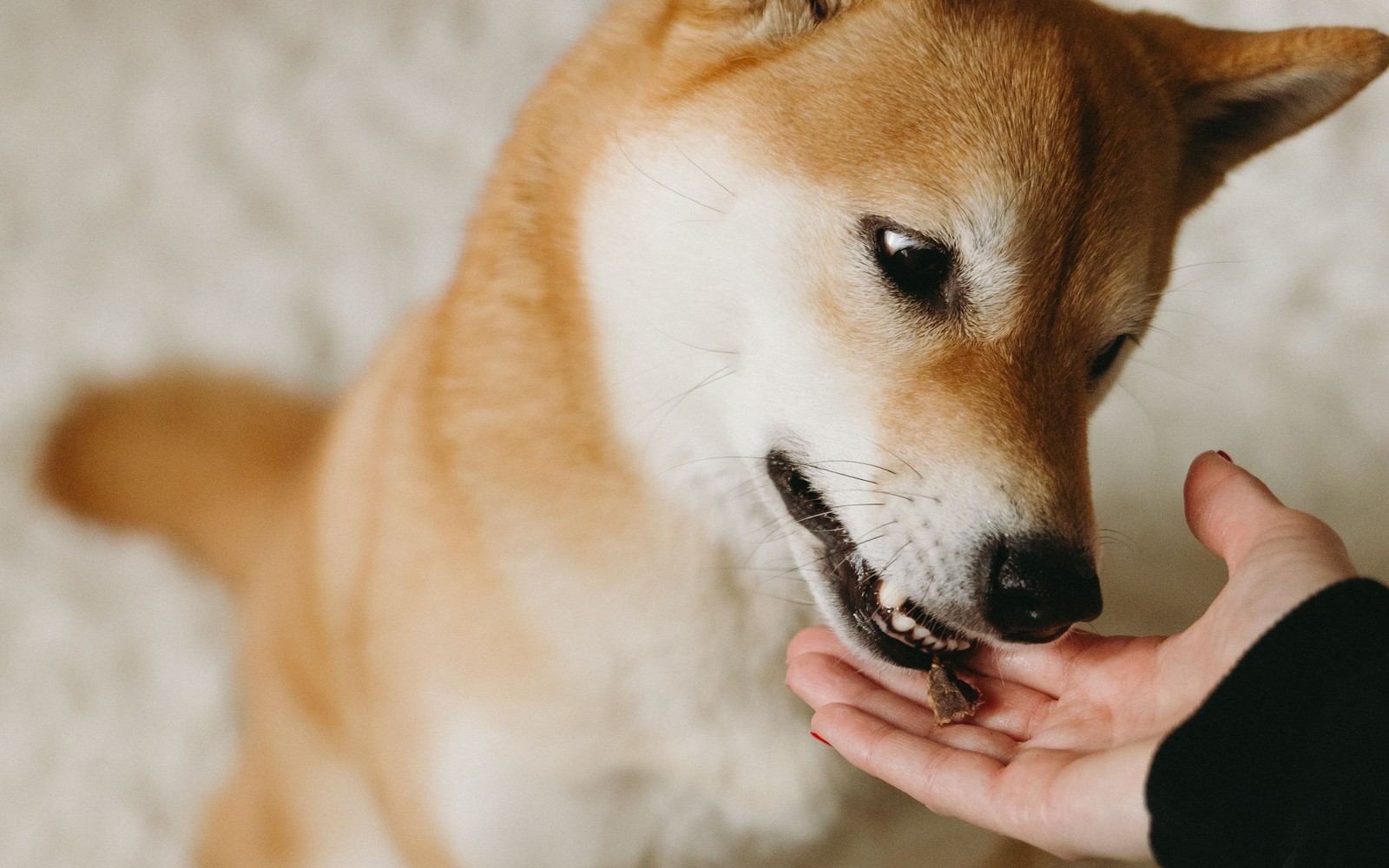
In small amounts, plenty of plain human foods are safe for most dogs: cooked lean meat with no bones or heavy seasoning, and vegetables and fruits such as carrots, green beans, cucumber, and apple slices with the seeds removed. Think of these as occasional extras and tiny training treats, not as part of the main diet — your dog's balanced dog food should still do the heavy lifting.
Good options to offer in small amounts
Variety in tiny quantities is the safest approach. Well-tolerated choices for many dogs include:
- Plain cooked chicken, turkey, or lean beef — skinless, boneless, unseasoned, and cut small; ideal as a high-value reward.
- Carrots — raw sticks for crunch or lightly cooked; often used as a low-calorie treat for weight-conscious dogs.
- Green beans and cucumber — fresh or plain frozen beans make a filling, low-calorie extra.
- Plain cooked pumpkin or sweet potato — in spoonfuls, not pie filling with spices and sugar.
- Apple slices and blueberries — washed, with apple pips and core removed.
- Plain cooked rice — sometimes used in small amounts for a mild tummy upset under vet advice.
Introduce anything new one food at a time, in a pea-to-tiny-bite amount, and wait to see how your dog's stomach responds before offering more.
Foods that are never safe
Some common kitchen foods are genuinely dangerous for dogs and should never be offered, even in small amounts. Keep these well out of reach: chocolate, grapes and raisins (including currants and sultanas in cakes and puddings), onions, garlic, leeks and chives, macadamia nuts, xylitol — also labelled as birch sugar — in sugar-free gum, sweets and some peanut butters, cooked bones, alcohol, and caffeine. Rich, fatty leftovers can also trigger stomach upsets and, in some dogs, pancreatitis. If your dog eats something on this list, call your vet or an animal poison service immediately rather than waiting for symptoms — speed matters more than watching and hoping.
Portion sense: the ten-percent idea
A useful rule of thumb many vets share is that treats and extras together should make up only a small fraction — roughly no more than ten percent — of your dog's daily calories, with the rest coming from a complete, balanced dog food. That keeps nutrition balanced and prevents the slow creep of weight gain that happens when 'just a little cheese' happens five times a day from three different people. Cut extras small: for a Dachshund, one baby carrot is a feast. Always supervise new foods and provide fresh water.
Dogs who need extra care
Puppies, and dogs with diabetes, kidney or liver issues, allergies, or prescription diets, should not get extras without your vet's say-so. Dogs with known allergies — chicken and beef are common sensitivities — need their no-go list respected by everyone. Any dog who shows vomiting, diarrhea, or itching after a food should not be offered it again until you have discussed it with your vet.
Keep the safe list where everyone can see it
The risk with human foods is rarely you — it is the well-meaning visitor, child, or sitter who does not know your dog's rules. KinsLe's Pet Passport is your dog's records packet, holding vaccines, medications, allergies, and important documents in one shareable place, so you can note safe foods and firm allergies there and share the Passport with vets and sitters before they feed your dog. File that safe-foods list, plus the allergy notes, in the Pet Passport record on KinsLe, so anyone offering your dog a bite checks the same page first.