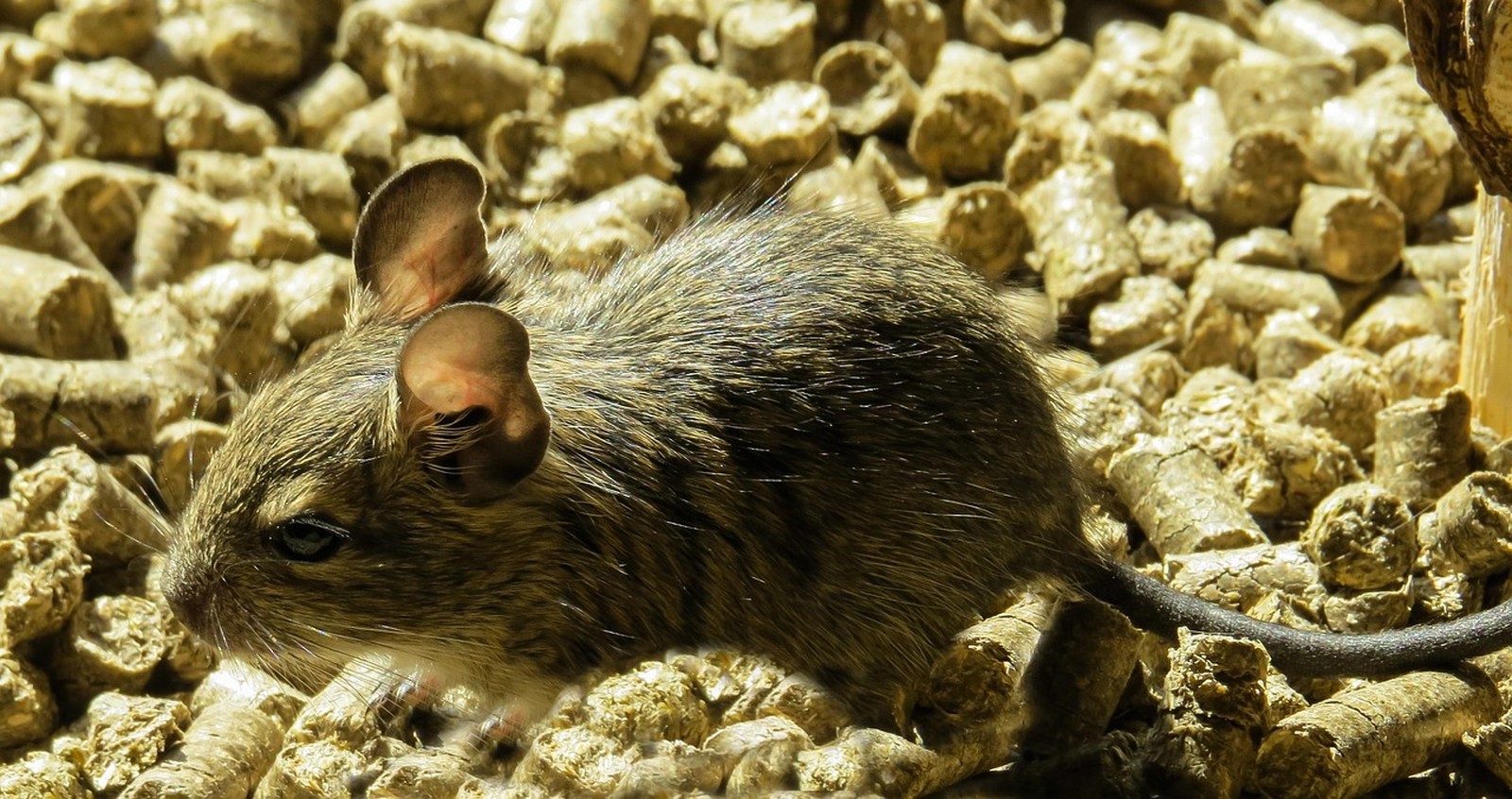
Most small-pet feeding advice warns vaguely about treats. For degus the warning is precise and medical. This species comes from dry Chilean scrub, lives on coarse, low-energy forage, and handles sugar badly: degus are well known for developing diabetes and sugar-related cataracts on diets that a rabbit or guinea pig would shrug off. The never list is therefore mostly a sugar list, and it deserves to be taken literally.
The Sugar Ban, in All Its Forms
Fresh sweet fruit is banned with no exceptions: banana, grapes, mango, apple, and melon are never to be fed. Dried fruit is worse, because drying concentrates the sugar, so raisins, dried banana chips, and dried papaya deliver a heavy hit in a tiny piece. Honey, molasses, syrup, and cane sugar itself appear where owners least expect them, binding commercial treat sticks, coating flavored drops, and sweetening colorful muesli-style mixes marketed for small pets generally. Yogurt drops are a particular trap: they sound wholesome, they are sold for small animals, and they are mostly sugar and fat. Read ingredient lists on anything bought for a degu and walk away from any product with a syrup, honey, or sugar near the top.
Other Foods That Do Not Belong
Chocolate is toxic to degus as it is to many animals, and it has no place anywhere near the cage. Rich, fatty foods, including sunflower seeds, peanuts, and other nuts, are never to be fed either, because they strain a system built for lean forage and pile on weight a small body carries badly. Sweet and starchy vegetables are banned outright as well: sweetcorn, peas, cooked potato, carrot, and sweet potato are never to be fed, for the same sugar reason as fruit. Never feed mixes or pellets formulated for rabbits, guinea pigs, or hamsters, because many are sweetened or built around ingredients chosen for a different species, and never feed avocado or rhubarb, which are unsafe for small herbivores generally.
What Safe Feeding Looks Like Instead
The contrast makes the rule easy to run. Unlimited grass hay should be the bulk of the diet, keeping the gut moving and the ever-growing teeth worn. A measured portion of a plain, unsweetened degu pellet, a daily handful of safe leafy greens and herbs such as dandelion leaves, plantain, and coriander, and constant clean water complete the picture. Treats, if you want the bonding ritual, can be a single oat flake, a small piece of dried herb, or a small piece of cucumber, offered by hand.
Why the Whole Household Needs the List
Degus are most often poisoned by kindness: a visitor, child, or pet sitter offering a raisin as a friendly gesture. Write the forbidden list down where the cage lives, name the diabetes reason on it so it reads as medicine rather than fussiness, and give anyone feeding a copy of the safe list too. Putting both lists into your degu's duties on KinsLe's Care Teams, with feeding tasks assigned and ticked off, means every helper sees what must never be offered before they open the cage door.