
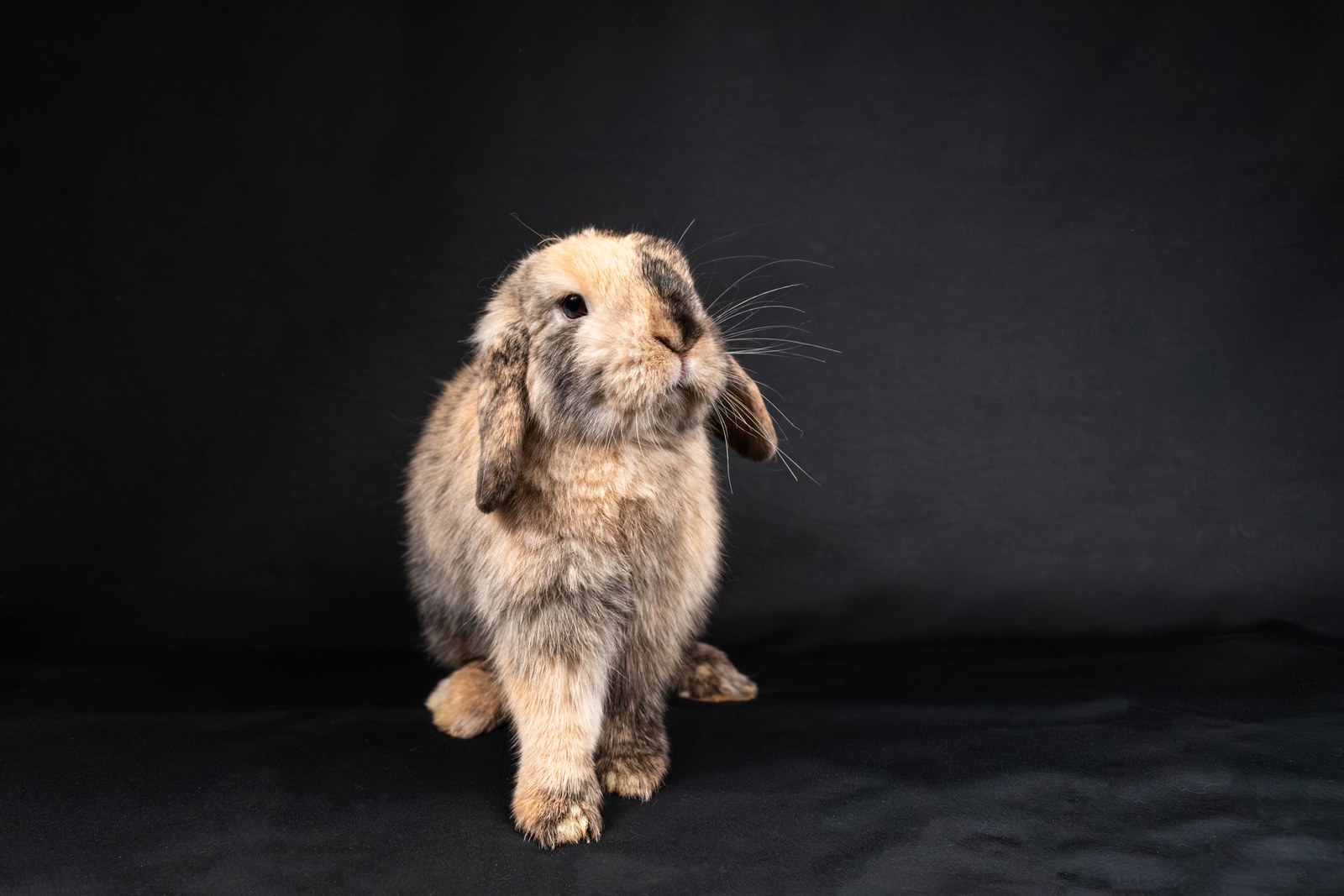
For your small pet's first vet visit, bring a written list of exactly what they eat, notes on their housing and companions, any records from the rescue, breeder, or previous owner, and a secure carrier — plus a fresh dropping sample if the clinic asks for one. A little preparation turns a short appointment into a genuinely useful health baseline for a rabbit, guinea pig, hamster, or ferret.
The paperwork and notes to gather
Small pets live on details, and your vet cannot see their daily life from the exam table. Before the visit, write down:
- Diet: brand and type of pellets, hay variety, fresh foods and treats, and roughly how much of each per day.
- Housing: enclosure size, bedding type, how often you clean it, and whether your pet gets floor or run time.
- Companions: what other animals live with or near your pet, and whether they are bonded or housed separately.
- History: age if known, where your pet came from, any previous treatment, and any symptoms you have noticed — appetite changes, sneezing, loose droppings, scratching, or behavior shifts.
If you adopted recently, bring the rescue paperwork even if it looks sparse. Vaccination notes for rabbits and ferrets, neutering records, and past weight records all help your vet spot what is still missing.
Transporting a small pet safely
Travel is the most stressful part of the visit for most small mammals, so make the carrier feel like a hideaway, not a trap. Use a sturdy, secure carrier lined with familiar-smelling fleece or bedding, add a small hide or tunnel, and include hay for rabbits and guinea pigs to nibble. Keep the carrier covered with a light towel in the car to reduce visual stress, keep the temperature moderate, and never leave a small pet in a parked car.
Bring a small portion of your pet's usual food and, for longer journeys, a water source your pet already knows how to use. Avoid cleaning the carrier to showroom standard the night before — familiar scent is calming.
What the vet will check
A first visit usually covers weight, teeth, coat and skin, eyes, ears, heart, and breathing, plus a conversation about diet, housing, and preventive care for that species. Guinea pig owners may discuss vitamin C, rabbit owners will talk hay and dental health, and hamster owners may cover wheel size and safe handling. This is also the moment to ask about neutering, parasite prevention where relevant, and what symptoms should trigger an urgent call.
Ask how the clinic handles small-pet emergencies and whether they have exotics experience or a referral partner who does. Knowing that before a crisis is one of the most valuable outcomes of a routine first visit.
After the visit
Write down the vet's findings, your pet's weight, and any follow-up dates while they are fresh. Update your notes on food or bedding if the vet suggested changes, and introduce those changes gradually — sudden diet swaps upset small digestive systems.
Making the next visit easier with Pet Pass
KinsLe's Pet Pass is your pet's verified ID card, giving each small pet a clear identity that travels neatly alongside the fuller records packet, so the details you gathered for visit one are not scattered across texts and paper scraps by visit three. Keeping diet notes, vet details, and history in one place makes every check-up calmer for you and safer for your pet. At the front desk, the staff can match your small pet to you at once through the Pet Pass credential on KinsLe, which names the animal presented and the keeper who speaks for them.