
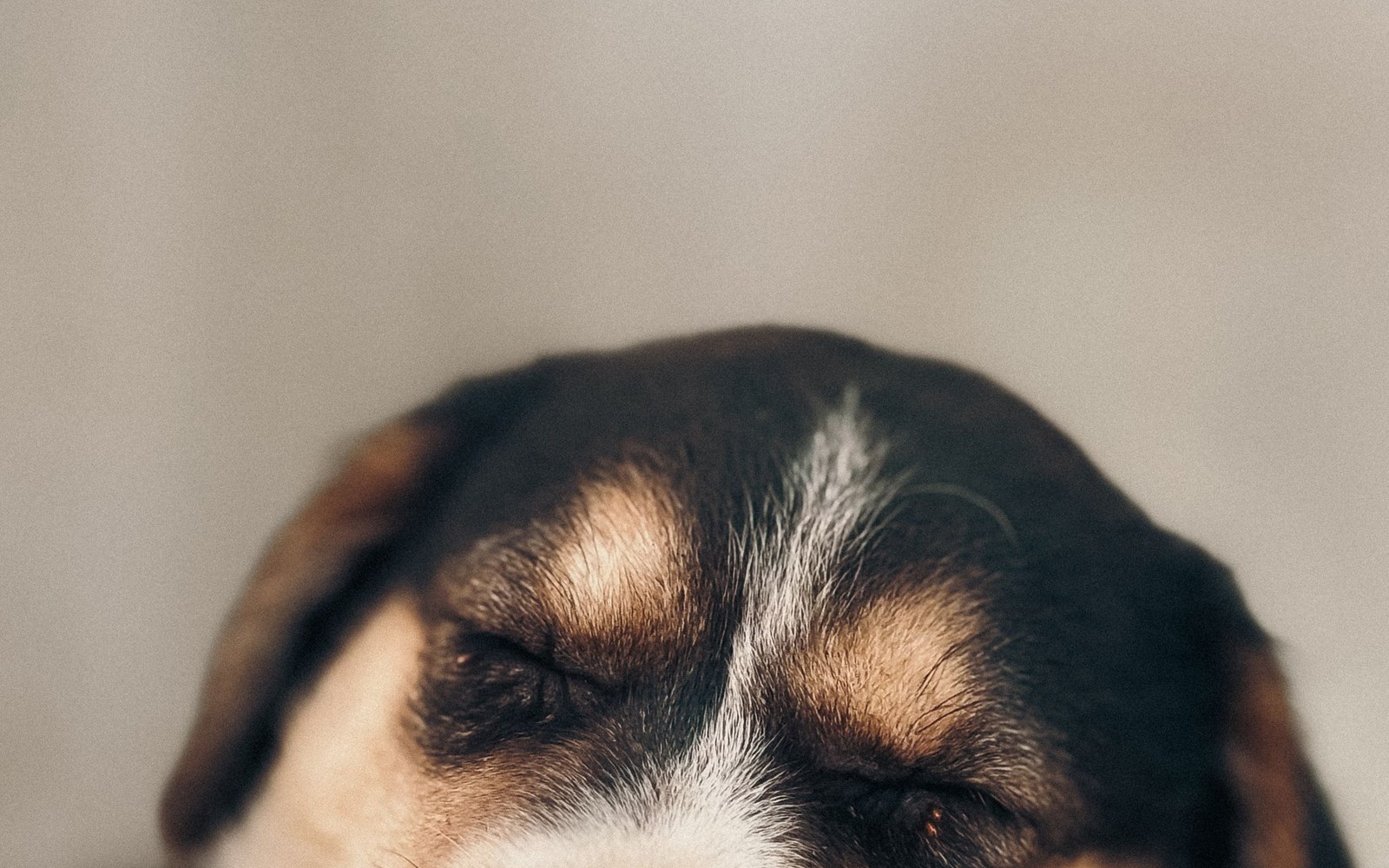
Expect a first week that is equal parts adorable and exhausting: some whining at night, broken sleep, very frequent bathroom trips, and a puppy who follows you from room to room while everything still smells and sounds unfamiliar. That clinginess and restlessness are normal. Your puppy has just left their mother, littermates, and the only home they have known, so a calm, predictable routine — same feeding spots, same nap place, same potty routine — is what helps them settle fastest.
The first 24 hours
Keep day one quiet, even if friends are eager to visit. Show your puppy where their water bowl, bed, and potty spot are, then let them explore one or two puppy-proofed rooms rather than the whole house. Offer the food they were already eating, if you know it, to avoid an upset stomach from a sudden switch. Take them outside every hour or two while awake, and always after waking, eating, and playing. Many puppies need a middle-of-the-night trip out as well, so set up sleeping close to you for the first few nights — a crate beside your bed often means less crying and a quicker trip outside when they stir.
A simple rhythm helps: potty, play or gentle exploring, food, potty again, then nap. Puppies cycle through this quickly, and writing the rhythm down stops everyone from guessing when your puppy was last fed or last went out.
Sleep, crying, and settling at night
Most young puppies wake at least once or twice overnight in the first week. A last potty break right before bed, a worn t-shirt that smells like you near (but safely outside) the crate, and a consistent lights-out routine can shorten the wake-ups. If your puppy cries, check first whether they need the toilet, are cold, or are genuinely distressed. A brief, boring potty trip — no play, no fuss — teaches that nighttime waking is for business, not fun.
During the day, let them nap where life happens at a low volume, but protect real rest. Children especially need a rule: a sleeping puppy is left alone. Puppies who are constantly woken become overtired, mouthy, and harder to settle.
Eating, accidents, and small wins
Feed measured puppy meals at regular times, usually three to four small meals a day for very young puppies, following the guidance on the food and from your veterinarian. Accidents indoors are not stubbornness — your puppy's bladder control and understanding of your house are both tiny. Clean accidents with an enzyme cleaner, take them out more often, and celebrate outdoor successes immediately with praise and a small treat.
Watch appetite, energy, and stools for a general sense of how they are adjusting. A puppy who will not eat at all, is unusually lethargic, or has persistent vomiting or diarrhea should be checked by a veterinarian promptly rather than waiting out the week.
Keeping everyone on the same routine
The fastest way to confuse a new puppy is for each person in the house to use different words, rules, and feeding times. That is where KinsLe's Family Sharing helps: it is the per-pet care circle with roles, so everyone involved in your puppy's care can follow the same first-week routine instead of passing half-remembered updates across the kitchen. One shared plan for meals, potty breaks, and nap spots means your puppy hears one clear, kind message from day one — your first pet profile is free to set up.
Family Sharing on KinsLe puts the week's feeding times, potty spots, and nap place where every person under your roof can view one shared plan, so the puppy hears one consistent pattern from all of you.