
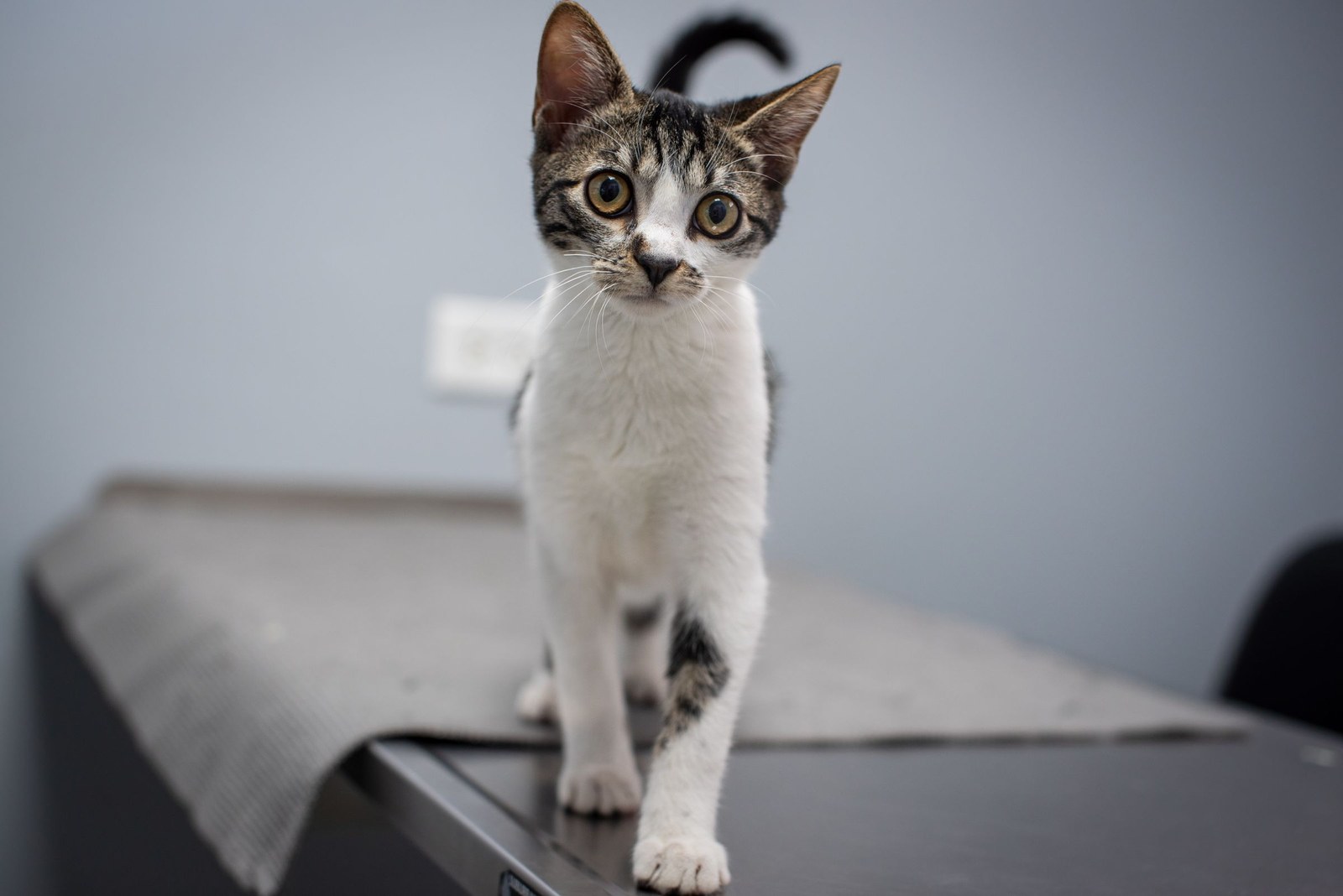
Kittens usually receive their first vaccinations in the early weeks of life — commonly starting around six to eight weeks of age — followed by a series of boosters spaced a few weeks apart until roughly four months old. If your kitten has just come home, booking a vet visit in the first week is the smartest first step, because that series only works when the timing holds together.
Why kittens need a series, not a single shot
A newborn kitten borrows protection from their mother's antibodies, but that borrowed shield fades at an unpredictable rate. While it lingers, it can actually block a vaccine from taking full effect; once it fades, the kitten is vulnerable. Boosters every few weeks close that gap: each visit catches the moment the mother's protection has waned enough for the kitten's own immune system to respond. This is why a vet will rarely call a kitten "done" after one visit, and why a kitten of unknown history — a rescue or a found stray — often starts the series from scratch.
What the early visits usually cover
The early series typically centers on the core combination vaccine protecting against serious respiratory and intestinal diseases, with rabies given once your kitten is old enough under local rules. Depending on lifestyle and local risk, your vet may also discuss feline leukemia protection, especially for kittens who will go outdoors or join a multi-cat household. These first appointments are about more than injections. Expect a full physical exam, a stool check for parasites, a first conversation about nutrition and litter habits, and a weigh-in that starts your kitten's growth record — all valuable baselines for the adult years.
A simple timeline to discuss with your vet
Every clinic phrases it slightly differently, but the shape of the first months often looks like this:
- First visit soon after homecoming: exam, first core vaccine, parasite check, and a plan in writing.
- Follow-up visits every few weeks: booster doses, weight checks, and growing confidence at the clinic.
- Around four months: the series typically completes, rabies is addressed, and spay or neuter timing gets discussed.
- After that: a first adult booster about a year later, then the adult rhythm takes over.
Treat that as a conversation starter, not a prescription — your vet sets the exact dates based on your kitten's age, weight, and history.
Safety and comfort tips
Mild sleepiness, a smaller appetite for a day, or slight tenderness where the injection went in are the most common reactions, and they usually pass quickly. Call your vet promptly for facial swelling, repeated vomiting, trouble breathing, or collapse. Between visits, keep a very young kitten's world small: paws off public floors, no mingling with cats of unknown status, and visitors washing hands before cuddles. It feels strict for a few weeks, but it protects a kitten whose immunity is still under construction.
Never lose a booster date with KinsLe
A kitten series spans several appointments at exactly the stage of life when you are also learning feeding, sleep, and litter routines — dates slip easily. KinsLe's Pet Passport stores the whole series in one records packet alongside vaccines, medications, allergies, and documents, ready to share with any vet, boarding facility, or sitter in seconds. You will not have to reconstruct that history for a later clinic, because the packet inside the Pet Passport on KinsLe lays out each booster date, weight reading, and exam note in order for them to read.