
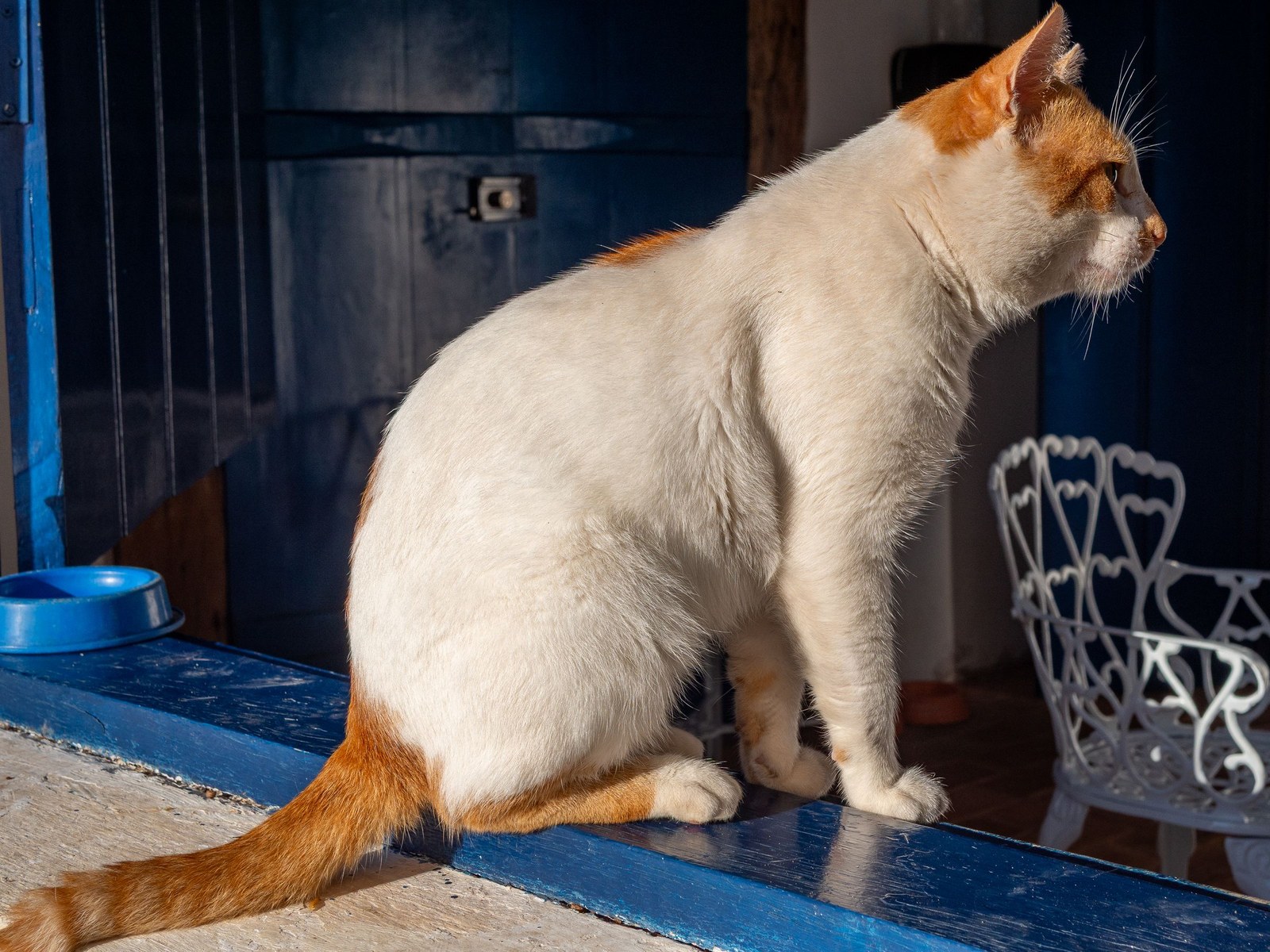
A sudden loss of appetite in a cat can reflect anything from stress, a food change, or a sore mouth to pain or illness — and cats should not go long without eating. If your cat skips meals for a full day, eats much less than usual for a couple of days, or seems unwell in any other way, call your veterinarian. A cat who is still nibbling but clearly down in appetite is also worth a call sooner if he is a kitten, a senior, or has an existing health condition.
Everyday causes that are easy to overlook
Start with the bowl and its surroundings. Has the food changed — new flavor, new bag of the same food, or food that has sat out and gone stale? Has the bowl moved to a noisier spot, or is another pet now guarding the feeding area? Travel, visitors, building work, a new baby, or even rearranged furniture can unsettle a cat enough to skip meals. Dental discomfort is a classic hidden cause: a cat may approach the bowl hungrily, drop kibble, chew on one side, or prefer soft food suddenly. Nausea can look like approaching food, sniffing or licking lips, then walking away.
Weather and routine shifts play a part too — some cats eat less during a heatwave or when their main person is away. These explanations are plausible only if your cat is otherwise bright, drinking, using the litter box normally, and starts improving quickly.
Gentle checks you can do at home
Weigh your cat if you have a pet or bathroom scale method that works, and repeat weekly to spot a trend. Check that he is drinking and urinating normally, look for drooling, bad breath, pawing at the mouth, vomiting, diarrhea, or changes in energy. Offer a small amount of his usual food, warmed slightly to release aroma, in a quiet spot — but do not start a parade of new foods, tuna, and treats to bribe him, which can upset his stomach and confuse the picture you report to the vet. Never give human medicines or appetite products not prescribed for him.
When appetite loss is urgent
Treat it as urgent if he eats nothing for 24 hours, stops drinking, vomits repeatedly, becomes lethargic or hides away, seems painful, breathes oddly, or if you suspect he swallowed something or got into medication, lilies, or other toxins. Do not let a full weekend pass on a "wait and see" plan with a cat who is eating nothing — phone an emergency clinic for advice instead.
Knowing exactly what was offered and eaten
"He ate a bit, I think" is the enemy of good decisions. KinsLe's Care Teams let you assign feeding checks to household members and timestamp completions, so you know exactly what was offered, at what time, and how much was actually eaten — by whoever fed him, including a sitter. That precise record turns your vet call from guesswork into facts. Care Teams turns those feeding checks into a written household plan on KinsLe, with a named person responsible for each meal, a note of what he actually ate, and a timestamp on every completed check for the vet call.