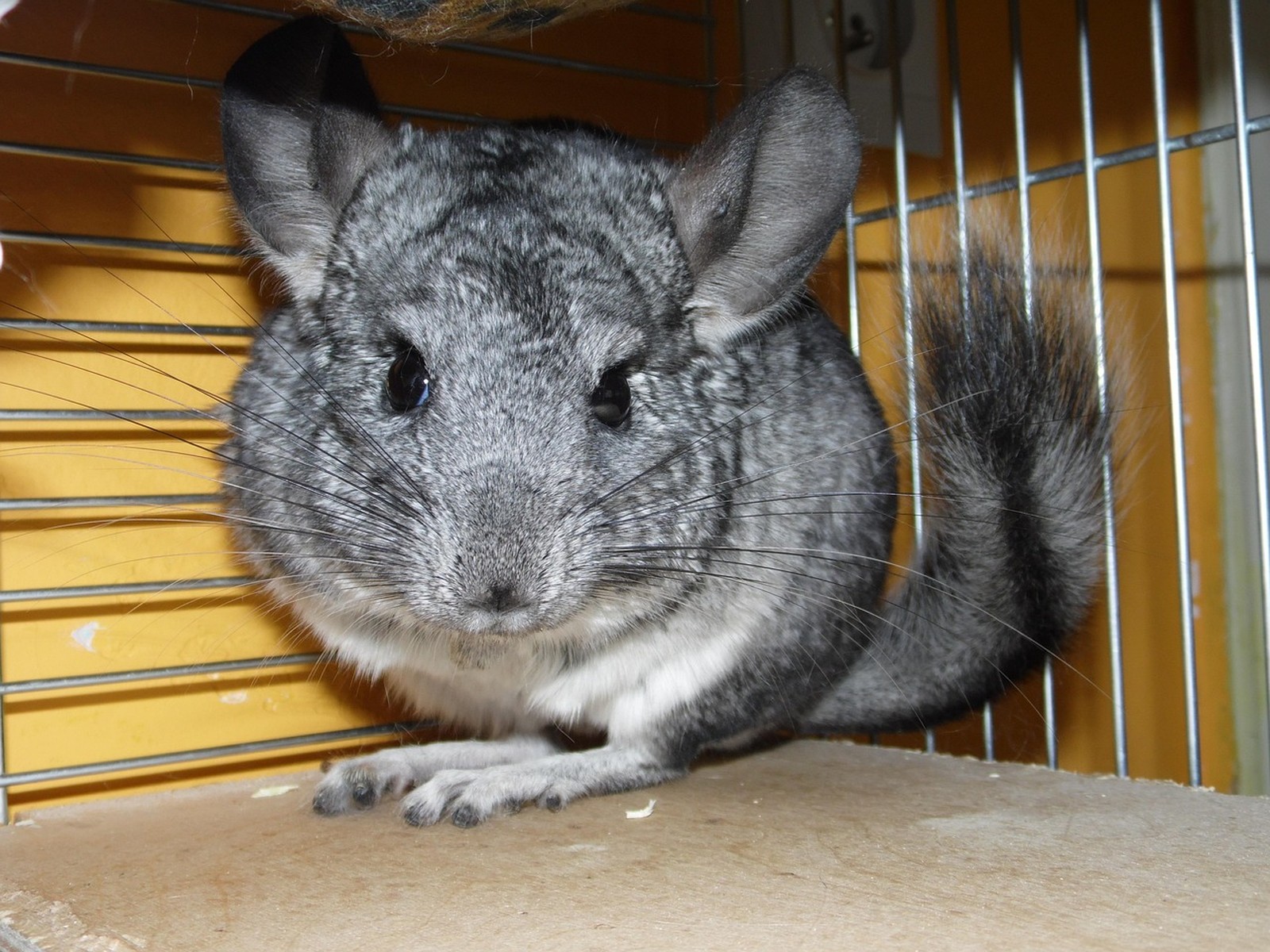
Chinchillas look economical in the shop and are not, mainly because they live so long: a well-kept chinchilla can be with you for well over a decade, eating hay every day of it. A realistic monthly budget for one chinchilla runs to roughly sixty to one hundred and twenty dollars, with hay, cage consumables and your vet savings making up most of it.
Food: Hay First, Pellets Second
- Grass hay: about 15 to 25 dollars a month. Hay should be available around the clock, because constant chewing keeps continuously growing teeth worn and the gut moving. This is the line to buy in bulk where storage allows, since small decorative bags are the most expensive way to feed any hay eater.
- Pellets: about 5 to 10 dollars. A plain chinchilla pellet, fed in a modest daily measure, lasts a long time. Avoid mixed muesli-style foods: chinchillas pick out the sweet pieces, leave the rest, and end up short of fibre.
- Treats and chews: about 5 to 15 dollars. Safe wood sticks, pumice and woven toys are not enrichment extras for this species, they are dental maintenance, and they are consumed. Budget for a steady flow of replacements rather than one toy that lasts.
Cage, Dust and Climate
Bedding depends on your setup. Paper or wood-based bedding for trays typically costs about 10 to 20 dollars a month, while fleece liners shift the cost into laundry and eventual replacement. Bath dust is a chinchilla essential rather than a luxury: they must never be washed in water, and regular dust baths keep the dense coat healthy, costing roughly 5 to 10 dollars a month once soiled dust is discarded and replaced.
Climate is the hidden line. Chinchillas overheat easily and do best kept cool, roughly below 22 degrees Celsius, so a warm home can mean running air conditioning or cooling for their room through summer. That electricity can exceed the food bill in a hot month, and it is not optional spending.
The Vet Fund and the Long View
Put about 20 to 40 dollars a month into a vet fund. Chinchillas need a vet confident with exotics, routine bills are modest, but dental problems, gut stasis and heatstroke are emergencies that do not wait for payday. A chinchilla that stops eating is an emergency the same day, because their gut must keep moving.
Add it up honestly and the chinchilla is a mid-cost pet with a very long commitment, cheap weeks and expensive surprises. Splitting the work keeps the consumables predictable too, and Care Teams in KinsLe lets you assign hay checks, dust baths and cage cleans to named helpers, with completed tasks timestamped so a missed refill never goes unnoticed.