
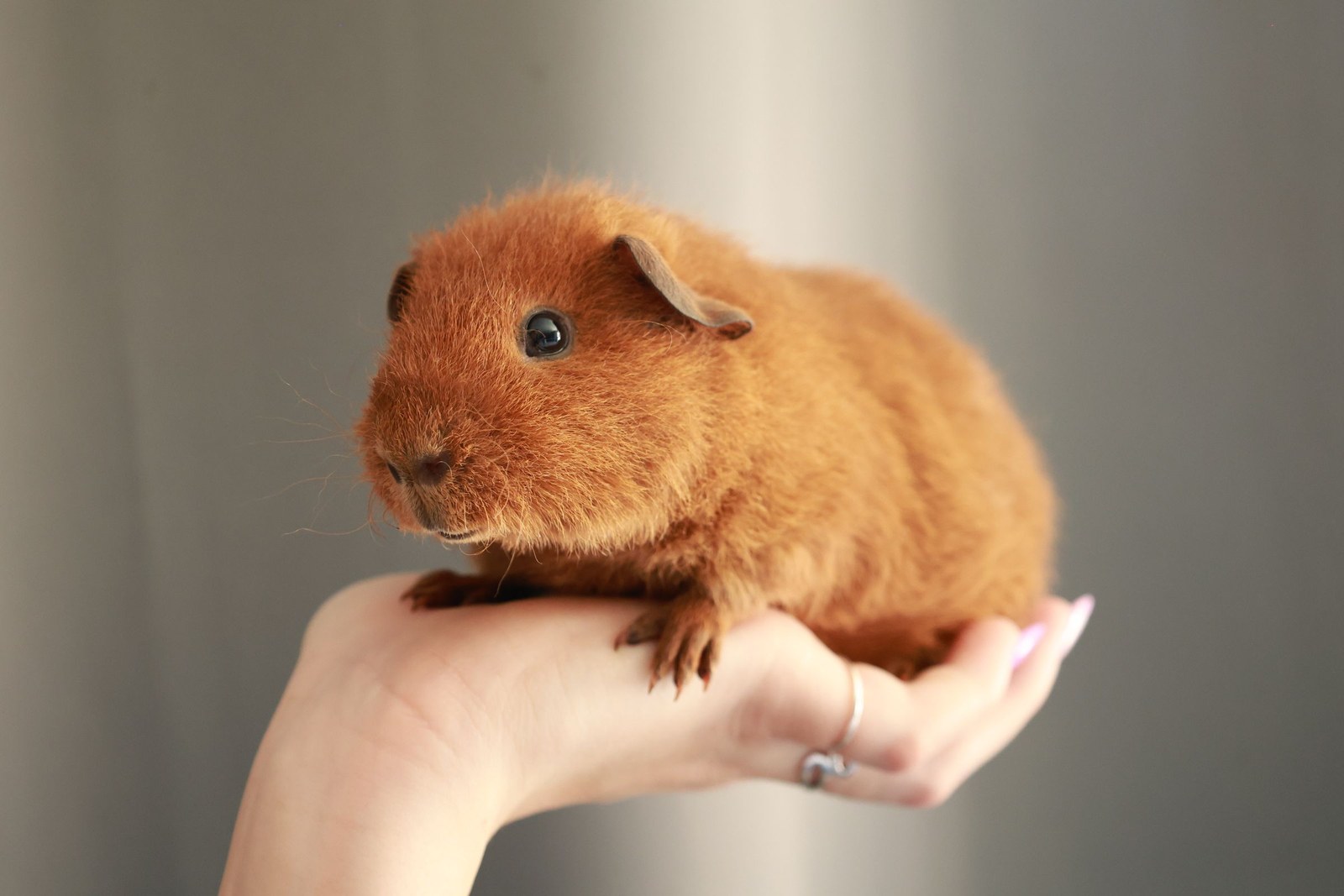
Take your small mammal to a vet right away — emergency or exotics vet, even overnight — if you see any of these: not eating for many hours, labored or noisy breathing, severe diarrhea, bleeding, inability to move normally, seizures, a swollen belly, or a pet who feels cold, floppy, or unresponsive. Small mammals have fast metabolisms and very little reserve, so a situation that might wait until morning in a dog or cat can become critical in a rabbit, guinea pig, rat, or hamster within hours.
The red-flag list, species by species
Some emergencies are universal; others wear species-specific disguises.
- Not eating: A guinea pig or rabbit who has eaten nothing for 8–12 hours is in danger territory, because their guts must keep moving. A hamster or rat refusing all food for a day is similarly serious.
- Breathing trouble: Open-mouth breathing, wheezing, clicking, or visible effort with every breath is an emergency in any small mammal — prey animals hide respiratory distress until it is advanced.
- Gut signs: Severe or watery diarrhea, a bloated or drum-tight belly, or a rabbit sitting hunched and grinding teeth in pain.
- Neurological signs: Seizures, head tilt with loss of balance, circling, or sudden inability to use the back legs.
- Body state: Cold ears and body, limp or floppy when picked up, unresponsive to gentle handling, or collapsed.
- Bleeding or trauma: Any fall, crush injury, bleeding that does not stop, or a suspected bite from another animal — even if the pet "seems okay" afterward.
Why hours matter so much in small bodies
A 40-gram hamster and a 1-kilogram guinea pig simply have no buffer. They cannot vomit up something toxic, they dehydrate quickly with diarrhea, and their high metabolic rate means energy reserves measured in hours, not days. Just as importantly, prey species are wired to hide weakness: by the time a small mammal looks obviously ill to a casual glance, the underlying problem is usually well established. Vets who treat exotics are blunt about this — they would rather see ten pets who turn out fine than one who arrived a few hours too late. You will never be scolded for bringing a small pet in early.
What to do in the first minutes
Keep the pet warm, quiet, and in a small, secure carrier lined with familiar-smelling bedding — warmth alone genuinely helps an animal in shock. Do not force food or water into a pet who is limp, seizing, or struggling to breathe, and do not give any medication unless a vet directs it by phone. Call ahead while you travel so the clinic can prepare, and if your usual vet is closed, go to the nearest emergency practice that will see exotics — phone first to confirm. Bring a recent dropping sample if there is one, and note when the pet last ate, drank, and behaved normally.
Records that save minutes
In an emergency, the questions come fast: age, weight, current medications, allergies, vaccine history, what changed and when. KinsLe's Pet Passport is built for exactly this moment — it is your pet's records packet, holding vaccines, medications, allergies, and documents in one shareable place. Sending it to the emergency clinic before you arrive means the team starts with facts instead of guesses, and nothing critical rides on your memory on the worst drive of your month. Keeping it updated takes minutes on a calm day and pays off on the one day minutes matter. Pet Passport on KinsLe keeps age, weight, medications, and allergies ready to hand straight to an emergency vet.