
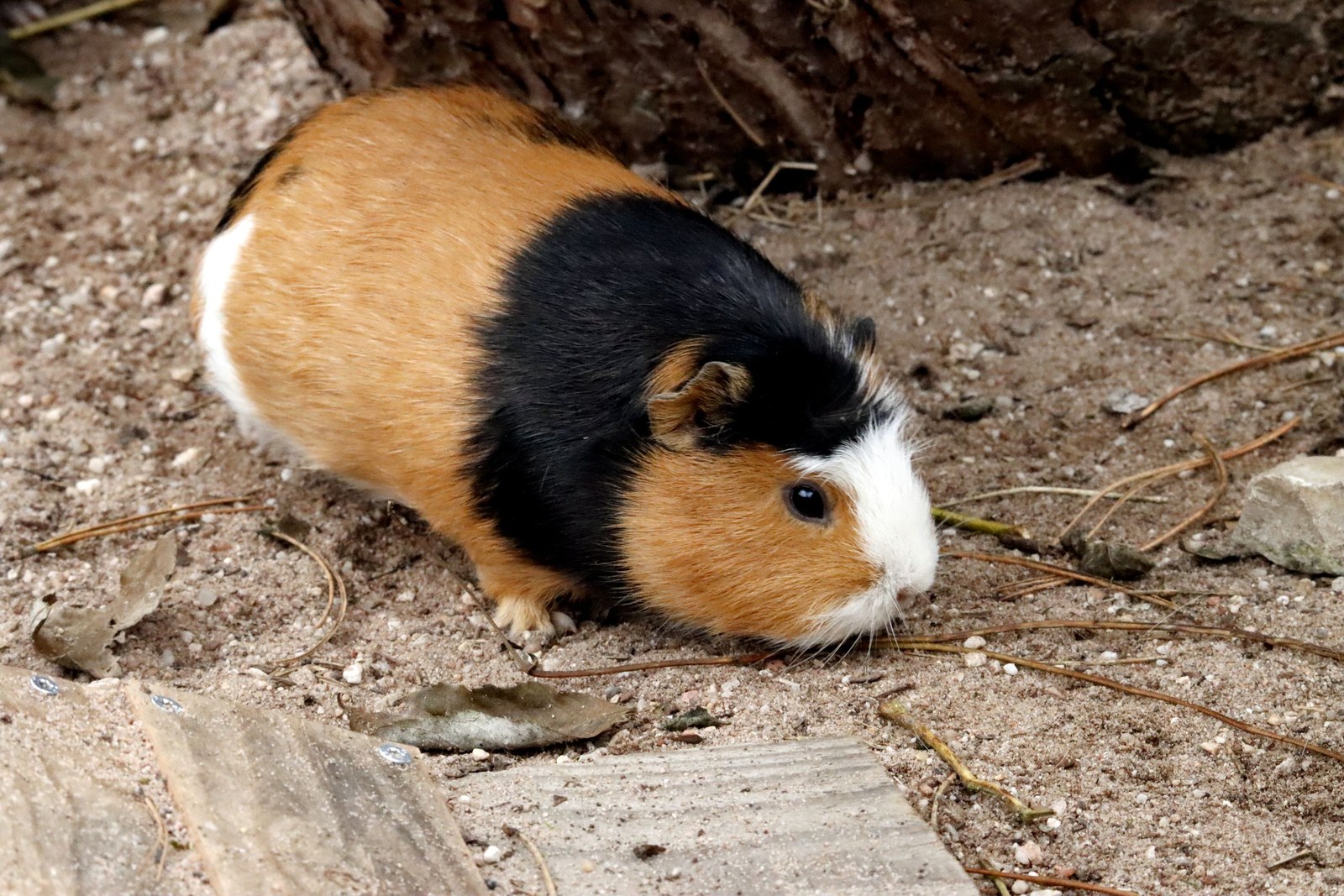
Before adopting a rabbit or guinea pig from a rescue, ask about the pet's age, current diet, health history, and whether they are bonded to a companion who should come home with them — and have the enclosure, hay, and an exotics vet ready before adoption day. Rescues know their animals well and would rather answer twenty questions than see a pet returned, so use that knowledge. A good conversation up front, plus a home that is already set up, turns adoption day into a calm beginning instead of a scramble.
Questions Worth Asking the Rescue
Start with history: How old is the pet, and how long have they been in rescue? What exactly are they eating now — which hay, pellets, and vegetables — so you can continue the same diet and transition gradually? Have they been neutered, and have they had any health issues, dental checks, or treatments? For rabbits especially, ask about litter habits and how they respond to handling. Behavior matters too: Is this a confident pet who suits a busy family home, or a shy one who needs a quiet room and patience? If the pet is bonded, commit to the pair. Bonded rabbits and guinea pigs genuinely rely on each other, and separating them causes real distress.
Set Up Before You Bring Them Home
Have the enclosure built, positioned, and stocked before collection day: unlimited hay, a heavy water bowl or bottle, a hideaway, chew toys, and bedding or litter, all in a quiet corner away from drafts and direct heat. Rabbit-proof the exercise area — cover cables, block gaps behind furniture. Find your exotics vet in advance, too; not every practice treats small mammals regularly, and you do not want to be searching during your first emergency. Register with the practice if they allow it, and note their out-of-hours arrangements.
The Settling-In Period
Expect quiet, routine, and patience for the first days and weeks. Many rescue pets have had unsettled lives, and a new home — however kind — is a big change. Keep handling brief and let your pet come to you; sit by the enclosure reading or talking so your voice and smell become familiar. Maintain a predictable routine for feeding and cleaning, resist the urge to introduce every friend and relative at once, and watch the reassuring basics: eating hay, drinking, and producing normal droppings. A pet who is eating and exploring a little more each day is settling well. If appetite stops entirely, contact your veterinarian promptly — small pets should never be left a day without eating.
Paperwork, Records, and What Travels With Your Pet
Keep every document the rescue gives you — vaccination or treatment records, neutering certificates, diet notes — in one place from the start. That habit pays off for vet visits, boarding, and the future. And if circumstances ever change and a pet moves to a new home, their history should move with them rather than starting from zero.
Keeping Their Story Intact With KinsLe
That is exactly what KinsLe's Transferrable Profiles are for: when a pet moves to a new owner, the profile and its records transfer with them, so vaccinations, quirks, and care notes are never lost. Each profile also carries a unique QR ID, and Lost Pet Alerts are free in every profile. Transferrable Profiles on KinsLe carry that handover through: the rescue's diet notes, neutering record, and health history pass directly to you at adoption, so home care begins from facts the rescue already gathered.